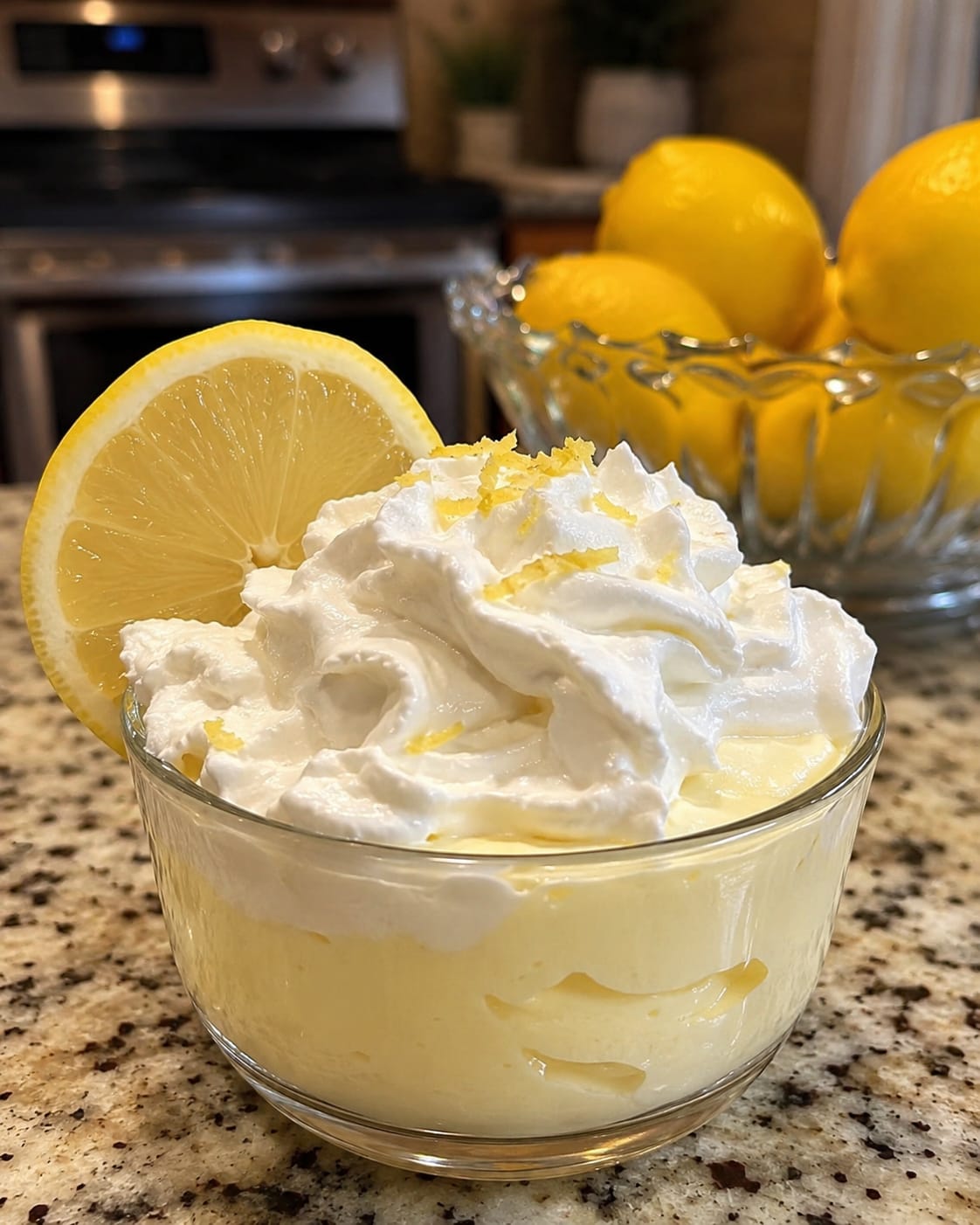
There are cakes that feel heavy, and then there are cakes like this one—light, bright, and almost impossibly moist, with a tender crumb that melts on your tongue and a sunny lemon flavor that fills the entire kitchen. This Lemon Yogurt Cake with No White Flour is the kind of simple, wholesome bake that proves you don’t need all-purpose flour or refined sugar to create something truly special. Made entirely with almond flour, Greek yogurt, honey, and fresh lemons, it’s naturally gluten-free, protein-rich, and sweetened with ingredients you can feel good about. Whether you’re looking for a healthier breakfast cake, an afternoon tea loaf, or a light dessert that won’t weigh you down, this lemon yogurt cake delivers every single time.
The magic of this cake lies in its beautifully balanced ingredient list. Almond flour provides a rich, nutty base that stays incredibly moist, while Greek yogurt adds protein, tenderness, and a subtle tang that amplifies the lemon. Honey or maple syrup brings a gentle, natural sweetness that complements rather than overpowers the citrus. Fresh lemon zest and juice perfume every crumb with bright, zesty flavor, and a touch of vanilla rounds it all out. There’s no coconut flour, no complicated flour blends, and absolutely no white flour—just nine simple ingredients that you likely already have in your kitchen.
In this guide, I’ll walk you through exactly how to make this beautiful loaf, from mixing the batter to achieving that perfect golden top. You’ll learn why each ingredient matters, how to customize the cake with different flavors, and the best ways to store and serve it. Whether you’re gluten-free, looking to reduce refined carbs, or simply craving a slice of something lemony and lovely, this cake is about to become a regular in your baking rotation
Why You’ll Love This Lemon Yogurt Cake
Made entirely without white flour. Instead of all-purpose flour, this cake uses super-fine blanched almond flour. The result is a tender, moist crumb that’s naturally gluten-free and packed with healthy fats, fiber, and vitamin E. Unlike many gluten-free cakes that rely on complicated flour blends or gums, this one keeps it beautifully simple with a single flour you can find at any grocery store.
Sweetened naturally with honey or maple syrup. There’s no refined sugar in this cake. Instead, a third of a cup of honey or pure maple syrup provides just the right amount of sweetness while adding moisture and a subtle floral or caramel note. It’s a cake you can feel good about serving for breakfast, brunch, or a wholesome dessert.
Incredibly moist and tender for days. Thanks to the Greek yogurt, almond flour, and honey, this loaf stays fresh and moist far longer than a traditional flour-based cake. It’s even better on day two, when the lemon flavor has fully permeated every crumb.
Protein-packed and satisfying. Between the almond flour, Greek yogurt, and eggs, each slice delivers a meaningful amount of protein and healthy fats, making it far more satiating than a typical cake. It’s the perfect post-workout treat, a balanced breakfast with a cup of coffee, or an afternoon pick-me-up that won’t lead to a sugar crash.
Ingredient Deep Dive: The Nine Power Players
Each of these nine ingredients works hard to create the perfect loaf. Here’s what you need to know.
1. Almond Flour — The Grain-Free Foundation
One and a half cups of super-fine blanched almond flour replaces traditional wheat flour. Blanched almond flour is made from almonds with the skins removed and ground to a fine, flour-like consistency. Do not use almond meal, which is coarser, contains skins, and will yield a denser, grittier cake. Almond flour provides structure while keeping the cake incredibly moist and tender, and it adds a subtle nuttiness that pairs beautifully with lemon.
2. Plain Greek Yogurt — The Moisture and Tang
Half a cup of plain Greek yogurt (full-fat or 2%) brings moisture, protein, and a pleasant tang that echoes the lemon flavor beautifully. It also reacts with the baking powder to help the cake rise. For an even richer cake, you can substitute sour cream. Make sure it’s plain, unsweetened yogurt—flavored varieties will throw off the sweetness and add unwanted sugar.
3. Large Eggs — The Structure and Lift
Two large eggs, preferably at room temperature, provide structure, stability, and a gentle lift. Room-temperature eggs incorporate more evenly into the batter, creating a smoother, more uniform crumb. If you forget to take them out of the fridge, place them in a bowl of warm water for 10 minutes before using.
4. Honey or Maple Syrup — The Natural Sweetness
One-third cup of honey or pure maple syrup adds moisture and a gentle, natural sweetness. Honey brings a floral quality that complements the lemon beautifully, while maple syrup adds a subtle, earthy caramel note. Both are liquid sweeteners, so they contribute to the cake’s exceptionally moist texture. If you prefer a less sweet cake, you can reduce to ¼ cup.
5. & 6. Fresh Lemon Zest and Juice — The Bright Soul
The zest of one whole lemon and the juice of that same lemon are what give this cake its vibrant personality. The zest contains the essential oils that carry the true lemon perfume, while the juice provides a tart, fresh zing. Always zest your lemon before juicing it—it’s much easier that way. For an even more intense lemon flavor, rub the zest into the honey or sugar with your fingertips to release the oils before mixing.
7. Vanilla Extract — The Warm Rounder
A teaspoon of pure vanilla extract rounds out the flavors and adds a subtle warmth that makes the lemon taste even more pronounced. Use real vanilla extract rather than imitation for the best flavor.
8. Baking Powder — The Gentle Lift
One teaspoon of baking powder is all you need to give the cake a gentle rise. Make sure your baking powder is fresh—if it’s been sitting in your pantry for more than six months, it may have lost its potency. Almond flour is heavier than wheat flour, so the cake won’t dome dramatically, but the baking powder ensures a tender, not-too-dense crumb.
9. Salt — The Flavor Enhancer
Just a quarter teaspoon of salt might seem small, but it’s essential. Salt brightens and enhances all the other flavors, making the lemon pop and balancing the sweetness. Don’t skip it.
Step-by-Step Baking Instructions
This loaf comes together in one bowl and bakes into a golden, fragrant beauty. Follow these steps for perfect results.
Step 1: Preheat and Prepare the Pan
Preheat your oven to 350°F (175°C). Lightly grease a standard 8×4-inch loaf pan with butter or coconut oil, then line it with a strip of parchment paper that hangs over the two long sides. This creates a sling that makes lifting the finished cake out effortless. The parchment also prevents the almond flour cake from sticking.
Step 2: Mix the Wet Ingredients
In a large mixing bowl, whisk together the 2 large eggs, ½ cup Greek yogurt, ⅓ cup honey or maple syrup, the zest of 1 lemon, the juice of 1 lemon, and 1 teaspoon vanilla extract. Whisk until the mixture is completely smooth and uniform. The lemon juice may cause the yogurt to look slightly separated—that’s normal and will come together when you add the dry ingredients.
Step 3: Add the Dry Ingredients
Add 1½ cups almond flour, 1 teaspoon baking powder, and ¼ teaspoon salt directly into the bowl with the wet ingredients. Using a spatula or a whisk, stir until everything is fully combined and you have a smooth, thick batter. There’s no risk of overmixing with almond flour since it contains no gluten, so stir until you’re confident there are no dry pockets. The batter will be thick but pourable.
Step 4: Pour and Smooth
Pour the batter into the prepared loaf pan. Use the spatula to smooth the top into an even layer. The pan should be about two-thirds full. If you like, sprinkle a few extra almond slices or a little lemon zest on top for a pretty finish.
Step 5: Bake Until Golden
Place the pan in the center of the preheated oven and bake for 35 to 42 minutes. Start checking at the 35-minute mark. The cake is done when the top is deeply golden brown, the edges are pulling slightly away from the sides of the pan, and a toothpick inserted into the center comes out clean or with just a few moist crumbs. If the top is browning too quickly but the center isn’t set, tent the pan loosely with aluminum foil during the last 10 minutes.
Step 6: Cool Completely
Remove the pan from the oven and place it on a wire cooling rack. Let the cake cool in the pan for 10 minutes. Then, use the parchment sling to gently lift the cake out of the pan and transfer it directly to the rack to cool completely. Cooling on a rack prevents the bottom from steaming and becoming soggy. This cake slices best when fully cool, so be patient—it’s worth the wait.
Step 7: Slice and Enjoy
Using a sharp serrated knife, slice the cooled cake into 8 to 10 slices. Serve as is, or with a simple glaze, a dusting of powdered sweetener, or a dollop of Greek yogurt and fresh berries.
Pro Tips for the Perfect Loaf
- Use super-fine almond flour, not almond meal. This is the single most important tip. Coarse almond meal will make the cake dense and gritty. Look for blanched, super-fine almond flour for the best texture.
- Room temperature ingredients are key. Eggs and yogurt at room temperature emulsify better and create a smoother, more even batter. Cold ingredients can cause the batter to seize slightly.
- Don’t underbake. Almond flour cakes need to be fully baked through to set properly. If the toothpick comes out with wet batter, give it more time. A slightly longer bake yields a better texture than an underbaked center.
- Let it cool completely before slicing. Warm almond flour cake is delicate and can crumble. Cooling allows the structure to set fully, giving you clean, beautiful slices.
- Line the pan with parchment. Almond flour cakes are more prone to sticking than wheat flour cakes. A parchment sling guarantees a clean release every time.
Flavor Twists & Variations
Once you’ve mastered the basic lemon loaf, try these delicious riffs.
- Orange Yogurt Cake: Swap the lemon zest and juice for the zest and juice of one large orange. Add a pinch of cinnamon to the batter for a warm, Mediterranean vibe.
- Lemon Blueberry Cake: Fold ¾ cup of fresh or frozen blueberries into the batter just before pouring into the pan. The berries will burst and create beautiful jammy pockets throughout.
- Lemon Poppy Seed Cake: Stir 2 tablespoons of poppy seeds into the dry ingredients. The subtle crunch and nutty flavor pair perfectly with lemon.
- Coconut Lemon Cake: Replace ¼ cup of the almond flour with unsweetened shredded coconut, and add a few drops of coconut extract. Top with toasted coconut flakes.
- Lemon Lavender Cake: Add 1 teaspoon of dried culinary lavender to the batter. The floral notes complement the lemon beautifully for a sophisticated tea cake.
Serving, Glazing & Storage
Simple Lemon Glaze (Optional): For a beautiful finish, whisk together ¼ cup of powdered sweetener (or powdered sugar if not strictly sugar-free) with 1–2 tablespoons of fresh lemon juice until smooth. Drizzle over the completely cooled cake and let it set for 15 minutes before slicing.
Serving Suggestions: Enjoy slices plain with a cup of tea or coffee, toasted with a pat of butter, or topped with a spoonful of Greek yogurt and fresh berries. It’s also lovely with a drizzle of warm honey or a smear of cream cheese.
Storage: Store the cooled cake in an airtight container at room temperature for up to 2 days, or in the refrigerator for up to 5 days. Because of the almond flour and yogurt, it stays remarkably moist. Bring refrigerated slices to room temperature before serving, or warm them gently in the microwave for 15–20 seconds.
Freezing: This cake freezes beautifully. Wrap individual slices tightly in plastic wrap, then place them in a freezer-safe bag. Freeze for up to 3 months. Thaw at room temperature or in the refrigerator overnight.
Want the full recipe and simple step-by-step instructions?
Page 2 continues with the full ingredients, cooking tips, and easy directions so you can make this recipe perfectly at home.