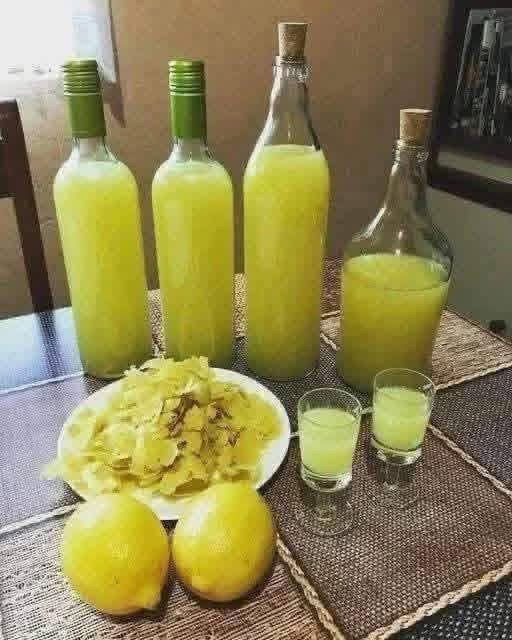
Homemade Non-Alcoholic Lemon Cordial is a bright and refreshing citrus drink concentrate made with fresh lemon juice, fragrant lemon peel, sugar, and water.
It delivers a strong lemon flavor with a pleasant balance between sweetness and acidity. The finished cordial can be diluted with cold water, sparkling water, or crushed ice to create a refreshing homemade drink.
This alcohol-free version provides the beautiful yellow color and intense citrus aroma associated with traditional lemon liqueur while remaining suitable for family gatherings and everyday refreshment.
The cordial is especially enjoyable during warm weather, summer parties, picnics, brunches, holiday meals, and occasions when you need an easy homemade drink that can be prepared ahead of time.
Why This Recipe Is Popular
Fresh lemon cordial is popular because it uses simple ingredients while producing a concentrated drink with a strong natural flavor.
The lemon peel contains aromatic oils that provide a deeper citrus fragrance than juice alone. The fresh juice adds acidity and brightness, while the sugar softens the sharpness and helps preserve the cordial for a limited period inside the refrigerator.
Because the drink is concentrated, every person can adjust the strength according to preference. Some people enjoy a lightly flavored sparkling drink, while others prefer a stronger and sweeter lemon beverage.
The cordial can also be added to iced tea, fruit punch, mocktails, desserts, yogurt, and sparkling mineral water.
Recipe Information
The preparation time is approximately twenty minutes.
The lemon peel requires several hours of resting to develop a stronger citrus flavor.
The syrup takes approximately ten minutes to prepare and must cool completely before it is combined with the juice.
The completed recipe produces approximately one and a half liters of concentrated lemon cordial.
Main Ingredients
Fresh lemons provide the juice, aroma, and natural yellow color.
Granulated sugar balances the acidity and creates the concentrated syrup.
Water dissolves the sugar and controls the strength of the cordial.
A small pinch of salt enhances the lemon flavor without making the drink taste salty.
Fresh mint, ginger, vanilla, or orange peel may be included for optional variations.
Ingredients
You will need approximately ten to twelve large fresh lemons.
The recipe also requires three cups of granulated sugar and three cups of water.
Add a small pinch of salt to strengthen the citrus flavor.
Extra water or sparkling water will be needed when the cordial is served.
Choose unwaxed lemons when possible because the outer peel will be used.
Choosing the Best Lemons
Select lemons that feel heavy for their size because they usually contain more juice.
The skin should look bright and firm without large soft areas or mold.
Thin-skinned lemons are often easier to juice, while thicker-skinned lemons may provide more fragrant zest.
Organic or unwaxed lemons are ideal when the peel will be infused.
When only waxed lemons are available, wash them thoroughly with warm water and scrub the surface gently before using them.
Wash the Lemons Carefully
Rinse every lemon beneath running water.
Use a clean vegetable brush to scrub the outside gently.
Dry the lemons completely with a clean kitchen towel.
Washing is especially important because the peel will remain in contact with the syrup.
Avoid using damaged lemons with dark, soft, or moldy areas.
Remove the Lemon Zest
Use a vegetable peeler or fine zester to remove the bright yellow outer layer.
Try not to remove the thick white pith underneath.
The yellow peel contains fragrant oils, while the white pith tastes bitter.
When using a vegetable peeler, create thin strips that can be removed easily after infusion.
When using a fine grater, strain the cordial carefully before bottling.
Extract the Lemon Juice
Cut the peeled lemons in half.
Squeeze them using a citrus press or hand juicer.
Strain the juice through a fine sieve to remove seeds and large pieces of pulp.
You should obtain approximately two cups of fresh lemon juice.
The exact quantity will depend on the size and variety of the lemons.
Keep the juice refrigerated while preparing the syrup.
Prepare the Simple Syrup
Place the water and granulated sugar inside a medium saucepan.
Set the pan over medium heat.
Stir gently until the sugar dissolves completely.
Allow the mixture to reach a gentle simmer.
Avoid boiling it aggressively because excessive evaporation can make the cordial too thick and sweet.
Continue heating for approximately three to five minutes.
Infuse the Lemon Peel
Remove the saucepan from direct heat.
Add the lemon peel and a small pinch of salt to the warm syrup.
Stir gently and cover the saucepan.
Allow the peel to remain inside the syrup for at least four hours.
For a stronger lemon aroma, refrigerate the covered syrup overnight after it has cooled.
Do not leave the peel for several days because the cordial may begin developing bitterness.
Strain the Lemon Syrup
Pour the infused syrup through a fine sieve into a clean bowl or pitcher.
Press the peel gently with the back of a spoon to release the flavored syrup.
Avoid crushing it aggressively because this can release bitter flavors from the pith.
Discard the used peel or reserve a small amount for another dessert when it still tastes pleasant.
Combine the Syrup and Lemon Juice
Make sure the syrup has cooled completely.
Pour the strained lemon juice into the syrup.
Stir until the mixture is evenly combined.
Taste a small amount after diluting it with water.
The undiluted cordial will taste very strong because it is designed to be served as a concentrate.
Adjust the Flavor
When the cordial tastes too sweet, add additional fresh lemon juice.
When it tastes too sharp, add a small amount of cooled simple syrup.
The flavor should remain strong and concentrated.
Avoid adding large amounts of plain water before storage because dilution reduces the strength and takes up additional refrigerator space.
Each serving can be adjusted individually.
Create a Brighter Yellow Color Naturally
The color of homemade lemon cordial depends on the lemons.
A small amount of fresh orange juice may produce a warmer golden shade.
A few thin strips of yellow lemon peel can be included during infusion for stronger color and aroma.
Artificial coloring is unnecessary.
Natural cordial may appear slightly cloudy because of juice pulp and citrus oils.
Prepare the Bottles
Wash glass bottles and lids thoroughly with hot soapy water.
Rinse them carefully.
Allow the bottles to dry completely.
The cordial should be poured only into clean containers.
Use bottles with secure lids to protect the drink from refrigerator odors and accidental spills.
Avoid pouring hot liquid into cold glass because sudden temperature changes may crack the bottle.
Bottle the Cordial
Use a clean funnel to transfer the cooled cordial into the prepared bottles.
Leave a small amount of space near the top.
Close the lids securely.
Label the bottles with the preparation date.
Refrigerate the cordial immediately.
Shake the bottle gently before serving because natural lemon oils and pulp may settle.
How to Serve Lemon Cordial
Pour a small amount of cordial into a glass.
Add cold water or sparkling water according to taste.
A common starting ratio is one part cordial to three or four parts water.
Add ice and garnish with a fresh lemon slice.
For a stronger drink, use less water.
For a lighter refreshing drink, increase the sparkling water.
Simple Recipe Overview
Wash and dry the lemons thoroughly.
Remove only the yellow outer peel.
Squeeze and strain the lemon juice.
Prepare a simple syrup with sugar and water.
Infuse the peel inside the warm syrup.
Strain the syrup after several hours.
Combine it with the fresh lemon juice.
Transfer the cordial to clean bottles and refrigerate it before serving.
Tips for the Best Lemon Cordial
Use fresh and fragrant lemons.
Avoid including too much white pith.
Cool the syrup before adding the lemon juice.
Taste the cordial only after diluting a small quantity.
Use clean bottles with secure lids.
Keep the finished drink refrigerated.
Shake gently before serving.
Add sparkling water immediately before drinking rather than storing it inside the cordial.
Common Mistakes to Avoid
Do not use unwashed lemon peel.
Avoid removing thick strips containing large amounts of white pith.
Do not boil the syrup for a long period.
Avoid adding fresh juice to extremely hot syrup.
Do not store the drink inside dirty or warm containers.
Avoid leaving the cordial at room temperature for long periods.
Do not drink the concentrate without diluting it because the flavor is intentionally strong.
Sparkling Lemon Cordial
Fill a glass with ice.
Add a small amount of chilled lemon cordial.
Pour sparkling mineral water or plain club soda over the top.
Stir gently so the drink keeps its bubbles.
Finish with lemon slices and fresh mint.
This variation creates a refreshing drink suitable for warm afternoons and family celebrations.
Lemon Mint Cordial
Add a handful of washed fresh mint leaves to the syrup after removing it from the heat.
Allow the mint and lemon peel to infuse together.
Strain both ingredients before adding the lemon juice.
Mint produces a fresh cooling flavor that works especially well during summer.
Avoid crushing the mint too strongly because damaged leaves can create bitterness.
Ginger Lemon Cordial
Add several thin slices of fresh ginger to the simple syrup.
Infuse the ginger with the lemon peel.
Use a small amount for gentle warmth or additional slices for a stronger ginger flavor.
Strain the syrup completely before mixing it with the lemon juice.
Ginger lemon cordial is delicious with sparkling water and ice.
Lemon and Orange Cordial
Replace part of the lemon juice with fresh orange juice.
Use mostly lemon so the finished cordial remains bright and refreshing.
Add a few orange-peel strips during infusion.
Avoid the white pith on both fruits.
Orange creates a sweeter and softer citrus flavor.
Lemon Lime Cordial
Replace approximately one-quarter of the lemon juice with fresh lime juice.
Add a few lime-peel strips to the infusion.
Lime provides a sharper tropical flavor and a slightly greener aroma.
The cordial pairs beautifully with sparkling water, mint, cucumber, or crushed ice.
Honey Lemon Cordial
Replace part of the granulated sugar with honey.
Add the honey after removing the simple syrup from direct heat.
Stir until completely dissolved.
Honey adds a floral flavor and may slightly darken the drink.
Because different types of honey vary in sweetness, adjust the quantity gradually.
Vanilla Lemon Cordial
Add a small piece of vanilla bean or a small amount of vanilla extract to the cooled cordial.
Vanilla softens the sharp citrus flavor and creates a dessert-like drink.
Use it lightly so it does not overpower the fresh lemon aroma.
This variation works well with still water, sparkling water, or iced tea.
Berry Lemon Cordial
Crush strawberries, raspberries, or blueberries lightly.
Add them to the warm syrup and allow them to infuse for approximately thirty minutes.
Strain carefully before combining the syrup with the lemon juice.
The berries add natural color, sweetness, and fruit flavor.
Store berry cordial for a shorter period because fresh fruit may reduce its refrigerator life.
Cucumber Lemon Cooler
Add diluted lemon cordial to a glass filled with ice.
Include several thin cucumber slices.
Top with sparkling water.
Allow the drink to rest for several minutes before serving.
Cucumber creates a clean and refreshing flavor that balances the sweet lemon syrup.
Lemon Iced Tea
Prepare black tea or green tea and allow it to cool.
Add lemon cordial gradually until the sweetness and acidity are balanced.
Serve with ice and lemon slices.
Because the cordial already contains sugar, additional sweetener is usually unnecessary.
Mint or peach slices can also be added.
Frozen Lemon Slush
Combine diluted cordial with plenty of ice inside a blender.
Blend until thick and smooth.
Serve immediately.
For a creamier frozen drink, add a small amount of coconut milk or plain yogurt.
Adjust the dilution before blending because melted ice will soften the flavor.
Lemon Popsicles
Dilute the cordial with water.
Pour it into popsicle molds.
Add small pieces of berries or thin mint leaves when desired.
Freeze until completely firm.
These homemade ice pops provide a refreshing family-friendly summer treat.
Lemon Dessert Syrup
Use a smaller amount of water when preparing the cordial to create a thicker lemon syrup.
Drizzle it over pound cake, pancakes, waffles, yogurt, fruit salad, or vanilla ice cream.
Keep dessert syrup refrigerated.
Use it in small amounts because the flavor remains concentrated.
Lemon Mocktail Base
Combine lemon cordial with sparkling water and ice.
Add mint, berries, cucumber, ginger, or orange slices.
Serve inside a tall glass.
A sugared rim can be added for a special presentation.
The cordial provides a simple base for many colorful alcohol-free drinks.
Serving the Cordial at a Party
Place the chilled cordial inside a labeled bottle or pitcher.
Provide cold still water, sparkling water, ice, lemon slices, and mint separately.
Guests can adjust the strength of their own drinks.
Keeping the cordial separate prevents it from becoming weak as ice melts.
How to Store Lemon Cordial
Keep the cordial inside clean, tightly sealed bottles.
Refrigerate it continuously.
For the freshest flavor, use it within approximately two to three weeks.
Always check the drink before serving.
Discard it when it develops mold, pressure inside the bottle, an unusual odor, or unexpected fermentation.
Can Lemon Cordial Be Frozen?
Yes.
Pour the cordial into freezer-safe containers, leaving space for expansion.
It may also be frozen inside ice-cube trays.
Once frozen, transfer the cubes to a sealed freezer bag.
Add one or two cubes to water, sparkling water, tea, or blended drinks.
Use frozen cordial within approximately three months for the best flavor.
Why Is My Cordial Bitter?
The lemon peel may contain too much white pith.
The peel may also have remained inside the syrup for too long.
Use only the thin yellow outer layer.
Strain the infusion after several hours or overnight.
A small additional quantity of syrup may soften mild bitterness, but strong bitterness is difficult to remove.
Why Is My Cordial Cloudy?
Cloudiness is normal in homemade lemon drinks.
It usually comes from natural pulp and citrus oils.
Strain the juice through a finer sieve when you prefer a clearer appearance.
Allowing the cordial to rest may cause some particles to settle at the bottom.
Shake gently before serving.
Why Is the Cordial Too Sour?
Add more cooled simple syrup gradually.
Taste only after diluting the cordial with water.
The concentrated mixture is expected to taste stronger and sharper than the completed drink.
Different lemons contain different levels of acidity, so adjustment is normal.
Why Is the Cordial Too Sweet?
Add additional fresh lemon juice.
You can also use more water or sparkling water when serving it.
Do not add large quantities of water to the entire bottle unless you plan to serve it soon.
Keeping it concentrated allows easier storage and adjustment.
Why Did the Sugar Crystallize?
The sugar may not have dissolved completely.
Heat the water and sugar gently while stirring.
Avoid leaving dry crystals around the sides of the saucepan.
When crystals appear inside the chilled cordial, warm a small portion gently until dissolved and combine it with the remaining drink after cooling.
Why Is the Cordial Separating?
Natural lemon oils and pulp can separate during storage.
This is normal.
Shake the bottle gently before pouring.
Separation is not necessarily a sign of spoilage, but discard the drink when it develops mold, strong pressure, or an unusual fermented smell.
Can I Reduce the Sugar?
Yes, but sugar helps balance the lemon acidity and contributes to short-term refrigerator preservation.
A lower-sugar cordial should be stored for less time.
Prepare a smaller batch and refrigerate it immediately.
Dilute the drink generously rather than removing too much sugar from the concentrate.
Can I Use Bottled Lemon Juice?
Fresh lemon juice provides the best aroma and flavor.
Bottled juice can be used when fresh lemons are unavailable, but the finished drink may taste sharper or less fragrant.
You will still need fresh lemon peel for the aromatic infusion.
Check the bottled juice label for preservatives and added ingredients.
Can I Use Other Citrus Fruits?
Yes.
Oranges, limes, grapefruit, mandarins, and combinations of citrus fruits can be used.
Grapefruit peel may create stronger bitterness, so use only a small amount.
Always avoid excessive white pith.
Adjust the sugar because different fruits have different sweetness and acidity levels.
Can I Double the Recipe?
Yes.
Use a large saucepan and enough clean bottles.
The infusion time remains approximately the same.
Taste the completed cordial before bottling because large lemon batches may vary in acidity.
Add sugar syrup or fresh juice gradually when adjustments are needed.
Final Thoughts
Homemade Non-Alcoholic Lemon Cordial is a bright and refreshing drink concentrate made with fresh lemon juice, fragrant peel, sugar, and water.
The lemon-peel infusion provides a strong citrus aroma, while the juice creates the fresh and tangy flavor.
For the best result, wash the lemons thoroughly and remove only the yellow outer peel.
Avoid the bitter white pith and strain the syrup after several hours.
Cool the syrup completely before adding the fresh juice.
Store the cordial inside clean bottles in the refrigerator and dilute each serving with still or sparkling water.
Customize the recipe with mint, ginger, orange, lime, honey, berries, or cucumber.
This alcohol-free lemon drink is perfect for family gatherings, summer parties, picnics, brunches, mocktails, frozen drinks, and everyday refreshment.