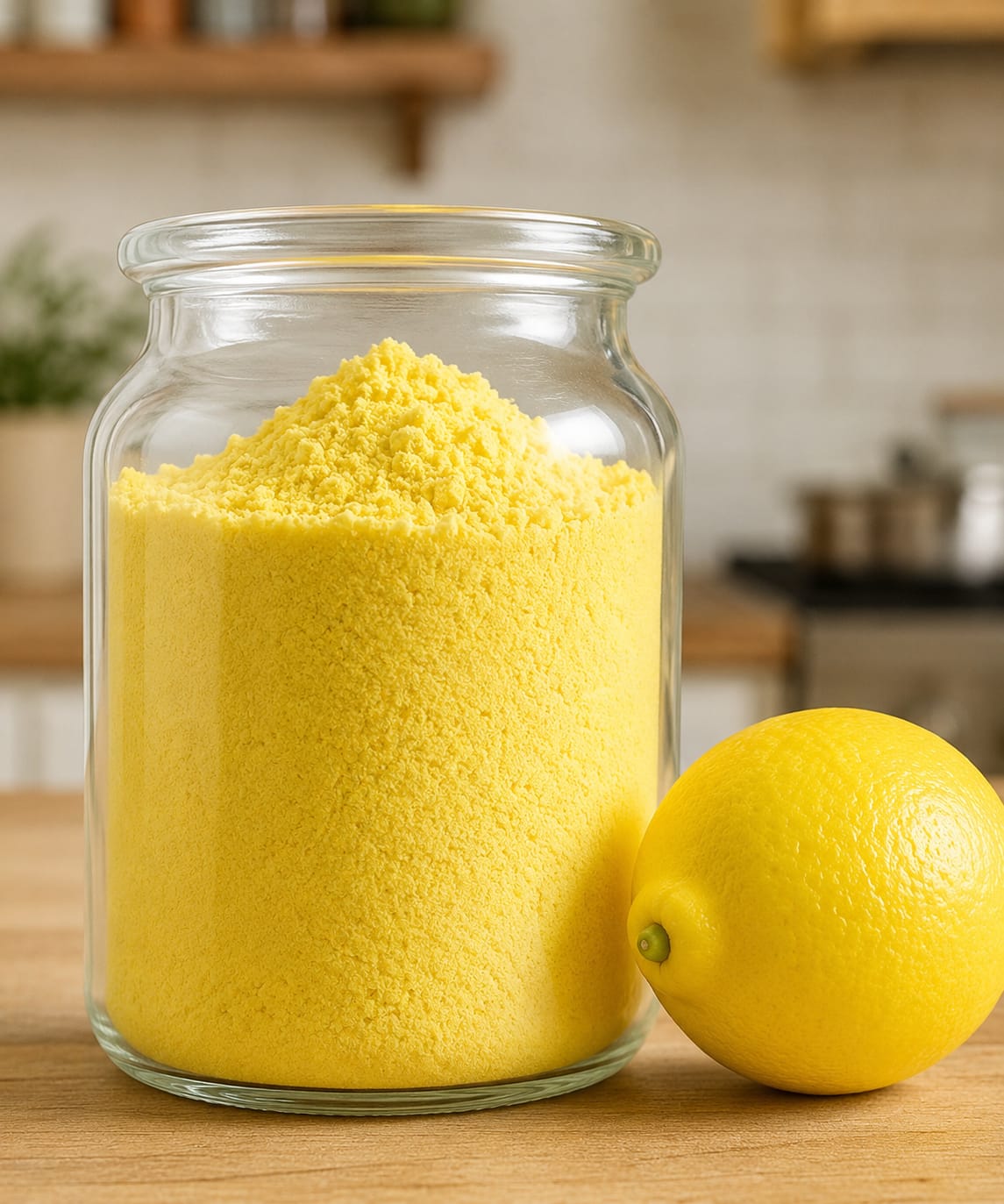
Sometimes the simplest ingredients hold the most transformative power. A pinch of homemade lemon powder can elevate a basic buttercream into a sunlit masterpiece, bring a flat marinade to life, or add a whisper of citrus to shortbread cookies without a single drop of liquid. Making your own lemon powder at home is astonishingly easy, costs pennies compared to store-bought citrus powders, and gives you a pure, intensely fragrant product that captures the very essence of fresh lemons. With just a few lemons, a vegetable peeler, and a bit of patience—either from a low oven or a dehydrator—you can create a jar of golden-yellow magic that will make you wonder why you ever settled for bottled lemon extract or dull dried zest. This is the secret weapon your kitchen deserves.
Lemon powder is simply the dried, ground zest of lemons. Unlike fresh zest, which is fleeting and loses its punch quickly, lemon powder is a shelf-stable concentrate that can be stirred into dry mixes, rubbed onto proteins, or dusted over finished plates. A tiny pinch delivers an immediate burst of bright, sunny lemon flavor without adding acidity that might curdle dairy or alter the chemistry of baked goods. It’s the answer to that age-old problem: how do you get real lemon taste into a dry recipe without throwing off the moisture balance? Whether you’re making lemon sugar, citrus-infused salts, or adding a pop to your tea blends, this powder is a versatile workhorse that belongs in every spice cabinet. And the process is so simple you’ll want to make a batch every time you have leftover lemon peels.
In this comprehensive guide, we’ll walk through the entire process of creating your own lemon powder—from selecting the perfect lemons and removing the zest without the bitter white pith, to drying and grinding it into a fine, aromatic powder. You’ll learn how to store it for maximum freshness, discover a world of culinary uses, and pick up expert tips that guarantee a vibrant, flavorful result every time. If you’ve ever wanted to capture the taste of summer in a jar, this is how you do it. Let’s make lemon powder.
Why Make Your Own Lemon Powder
Incredible flavor concentration. Drying and grinding lemon zest removes the water, leaving behind the pure essential oils and intense lemon essence. Just a pinch of this powder has the same flavor impact as the zest of half a lemon, making it a powerful, no-waste way to incorporate bright citrus notes. The flavor is round, floral, and deeply lemony—far superior to any artificial extract or stale bottled zest. Because it’s dry, you can add it to flour mixes, sugar blends, or rubs without worrying about added moisture, which is a game-changer for bakers.
No waste, all reward. Instead of tossing lemon peels after juicing, you can transform them into a valuable pantry staple. This is the ultimate zero-waste kitchen project: you use the juice for your recipe, then turn the peels into powder. You’re getting two products from one fruit, stretching your grocery dollars and keeping perfectly good food out of the compost bin. Plus, you’ll always have lemon zest on hand, even when fresh lemons aren’t in the fridge.
Extremely easy and requires minimal equipment. You don’t need a fancy dehydrator, though one makes the job effortless. A standard oven set to its lowest temperature works beautifully. A vegetable peeler removes the zest quickly, and a spice grinder or mortar and pestle turns the dried strips into powder in seconds. The active hands-on time is less than ten minutes; the rest is passive drying. It’s the kind of project you can start on a lazy Sunday afternoon and forget about while the oven does the work.
Endlessly versatile. Lemon powder isn’t just for sweets. Rub it onto chicken or fish before roasting, stir it into rice or couscous, add it to homemade salad dressings, or blend it with salt for a citrusy finishing sprinkle. It brightens soups, stews, and pasta dishes with a fragrant lift. In baking, it’s the secret to intensely lemony cakes, cookies, and scones that don’t turn gummy from extra liquid. A jar of lemon powder opens up a world of effortless flavor.
What You Need: The Simple Tools and Ingredients
The ingredient list is beautifully short, but choosing the right items makes a difference in the final quality of your powder.
Fresh Lemons – The Golden Foundation
You’ll need 4–6 large, unwaxed organic lemons for a meaningful batch. Organic lemons are strongly recommended because you’ll be using the outer peel, where any pesticide residues would concentrate. If you can only find conventional lemons, wash them thoroughly in warm water and scrub the skin with a vegetable brush to remove as much wax and residue as possible. Choose lemons that feel heavy for their size, with bright, firm skins and no soft spots. The more fragrant the zest smells when you scratch it, the better your powder will be. The zest is where all the aromatic oils live, so quality here is everything. You’ll be using only the bright yellow outer layer, not the white pith beneath, which is bitter and unpleasant.
Vegetable Peeler or Zester – The Zest Remover
A sharp vegetable peeler is the quickest way to remove wide strips of zest without digging into the bitter white pith. Hold the lemon firmly and draw the peeler along the surface, taking off just the colored part. A citrus zester (the kind with small sharp holes) also works well and gives you fine shreds that dry faster, but it can be more difficult to avoid the pith. A Microplane produces lovely fine zest but it’s harder to dry without clumping, so if you go that route, spread the zest very thinly and watch it closely. For the easiest, most uniform results, use a peeler and then chop the dried strips before grinding. This method also gives you larger pieces that are simpler to handle.
Dehydrator or Oven – The Drying Method
Dehydrator: If you have a food dehydrator, this is the most foolproof method. Set it to 115°F–125°F (45°C–52°C). The low temperature preserves the essential oils and yields the most intensely flavored powder. Spread the zest strips in a single layer on the dehydrator trays and dry for 6–12 hours, until the pieces are completely brittle and snap when bent.
Oven: Your oven on its lowest setting (usually 170°F–200°F / 75°C–95°C) works well. Prop the door open a crack with a wooden spoon handle to allow moisture to escape and prevent the zest from browning. Spread the zest strips on a parchment-lined baking sheet in a single layer. Drying time can range from 2 to 4 hours; start checking at the 2-hour mark. The zest should be completely dry, brittle, and crumble easily. If it still feels leathery or pliable, continue drying. Keep an eye on the color—if it starts to brown, the temperature is too high; reduce it and increase airflow. The oven method is accessible and reliable, but the dehydrator preserves slightly more of the bright lemon flavor because of its lower temperatures.
Spice Grinder or Mortar and Pestle – The Grinding Tool
A dedicated spice grinder (or a clean coffee grinder) transforms the dried zest into a fine, fluffy powder in seconds. Pulse in short bursts, shaking the grinder between pulses, until the zest reaches a powder consistency. Be careful not to overgrind, as the heat from the blades can dissipate some of the aromatic oils. A mortar and pestle gives you a slightly coarser, more rustic powder and a wonderful arm workout, plus it keeps the zest cooler. For the finest powder, you can pass the ground zest through a fine-mesh strainer to catch any larger pieces, then grind those again.
Step-by-Step: From Lemon to Powder
The process is straightforward and forgiving. Follow these steps for a vibrant, aromatic lemon powder.
Step 1: Prepare the Lemons
Wash the lemons thoroughly under warm running water, using a vegetable brush to scrub the skin well. This removes any wax, dirt, or surface contaminants. Dry them completely with a clean towel. A completely dry exterior ensures the zest doesn’t steam during the drying process.
Step 2: Remove the Zest
Using a vegetable peeler, carefully remove the yellow zest from each lemon in wide strips. Apply even pressure and try to get only the colored part, leaving behind as much of the white pith as possible. If you do get some pith, you can gently scrape it off with a paring knife—though a tiny bit is fine. Continue until you have peeled the zest from all the lemons. You’ll end up with a small pile of bright, fragrant strips. Reserve the peeled lemons for juicing or another use; they’ll keep in the fridge for a few days.
Step 3: Dry the Zest
Dehydrator method: Arrange the zest strips in a single layer on the dehydrator trays. Set the temperature to 115°F–125°F (45°C–52°C) and dry for 6–12 hours. Check periodically; the zest is done when it is completely brittle and snaps cleanly.
Oven method: Spread the zest strips in a single layer on a parchment-lined baking sheet. Place in the oven at the lowest temperature (170°F–200°F / 75°C–95°C), propping the door slightly open with a wooden spoon. Dry for 2–4 hours, checking every hour after the 2-hour mark. The zest is ready when it’s bone-dry, brittle, and crumbles easily between your fingers. If any pieces are still leathery, return them to the oven.
Step 4: Grind into Powder
Allow the dried zest to cool completely to room temperature. This prevents condensation inside the grinder. Transfer the dried strips to a spice grinder or coffee grinder. Pulse in short bursts, shaking the grinder between bursts, until the zest has turned into a fine, golden powder. If using a mortar and pestle, grind in small batches until you reach your desired consistency. For an ultra-smooth powder, sift the ground zest through a fine-mesh strainer to catch any larger bits, then re-grind those.
Step 5: Store and Label
Immediately transfer the lemon powder to an airtight glass jar. Keep it in a cool, dark place—a spice drawer or pantry away from the stove is perfect. Label the jar with the date. Properly stored, the powder will retain its vibrant flavor for up to a year, though it’s freshest in the first 6 months. The jar should be absolutely dry; any moisture will cause the powder to clump and spoil. A small silica gel packet (food-grade) tucked inside can help absorb ambient moisture.
Pro Tips for Vibrant, Non-Bitter Lemon Powder
- Avoid the white pith at all costs. The pith is where bitterness lives. When peeling, aim for just the thin, bright yellow outer layer. If you do get some pith, it’s easy to scrape it off with a knife after peeling. A tiny bit won’t ruin the batch, but too much will make your powder unpleasantly bitter.
- Keep the temperature low and gentle. High heat destroys the delicate volatile oils that give lemon its fragrance. Whether using a dehydrator or oven, the goal is to dry the zest slowly, not cook it. If your zest turns brown, the heat is too high; reduce it and increase ventilation for the next batch. Low and slow yields the brightest color and best flavor.
- Ensure the zest is absolutely bone-dry. Any remaining moisture will cause the powder to clump, mold, or lose its potency quickly. The zest should snap cleanly, not bend. If in doubt, dry it longer. It’s much better to overdry slightly than to underdry. The powder should feel like fine dust, not sticky.
- Grind in small batches for the finest texture. Overloading the grinder can result in uneven powder with larger bits. Work in batches if needed, and pulse rather than running continuously. This also prevents the grinder from heating up and cooking the zest. A quick shake between pulses helps the pieces settle and grind evenly.
- Let the powder settle before opening the grinder. The grinding process kicks up a fine citrus dust that can irritate your throat if inhaled. Wait 10–15 seconds after the final pulse, then open the lid away from your face. The powder will settle, and you can transfer it without a cloud.
Flavor Variations & Combinations
Once you’ve mastered lemon powder, the same technique opens up a world of other citrus powders and blends.
- Orange, Lime, or Grapefruit Powder: The exact same method works for any citrus. Orange powder is sweet and floral; lime is tangy and bright; grapefruit adds a sophisticated bitter note. Use organic fruit and peel just the colored zest. You can create a beautiful citrus blend by combining equal parts lemon, orange, and lime powders.
- Lemon-Ginger Powder: Add a few slices of fresh ginger to the dehydrator or oven alongside the lemon zest, then grind them together. The result is a warming, spicy-citrus powder that’s incredible in teas, stir-fries, and baked goods. Start with a 2:1 ratio of lemon zest to ginger slices.
- Lemon-Vanilla Powder: Split a vanilla bean and place it on the dehydrator tray with the lemon zest. After drying, grind the vanilla bean (cut into small pieces) along with the zest. The marriage of lemon and vanilla is classic and elevates everything from sugar cookies to pancake batter.
- Herb-Citrus Finishing Salt: Combine your finished lemon powder with coarse sea salt and dried herbs like rosemary, thyme, or dill. This makes a fantastic finishing salt for grilled meats, roasted vegetables, or fresh bread dipped in olive oil. Use about 2 parts salt to 1 part lemon powder and a sprinkle of crushed dried herbs.
- Lemon Pepper Seasoning: Mix lemon powder with freshly cracked black pepper and a little salt. This is the classic seasoning blend, perfect for chicken, fish, and pasta. You can add a touch of garlic powder and onion powder to round it out. Homemade lemon pepper is worlds away from the store-bought version.
How to Use Lemon Powder in Cooking and Baking
The applications are nearly endless. Here are some of the best ways to use your homemade lemon powder.
- In baked goods: Add ½ to 1 teaspoon of lemon powder to the dry ingredients in cakes, cookies, muffins, scones, and quick breads. It disperses evenly and gives a pure lemon flavor without adding liquid. This is especially useful for recipes that rely on a precise moisture ratio, like shortbread or meringues.
- In rubs and marinades: Combine lemon powder with salt, pepper, garlic powder, and herbs for a dry rub for chicken, fish, pork, or shrimp. Sprinkle it directly onto the protein before grilling or roasting. It adheres well and infuses the meat with a bright, citrusy depth.
- In beverages: Stir a tiny pinch into tea (especially Earl Grey or green tea), lemonade, or cocktails for an extra burst of lemon without extra liquid. It dissolves beautifully and adds a clean, crisp note. You can also rim a cocktail glass with a mixture of lemon powder and sugar.
- In frostings, icings, and glazes: Whisk lemon powder into buttercream, cream cheese frosting, or powdered sugar glaze. A little goes a long way, and it won’t thin the frosting like fresh juice would. This is the secret to intensely lemony lemon cake and lemon bars.
- As a finishing touch: Dust lemon powder over grilled vegetables, roasted potatoes, popcorn, or even vanilla ice cream. It adds a pop of color and a fragrant, tangy finish that brightens any dish. A tiny pinch on fresh fruit salad makes it sing.
Storage, Shelf Life & Gifting
Storage: Keep your lemon powder in an airtight glass jar in a cool, dark place. Avoid storing it near the stove, where heat and steam can degrade it. If the powder clumps, it may have absorbed moisture; in that case, check the jar’s seal and consider adding a food-grade silica gel packet to keep it dry. Stored properly, it will retain its vibrant flavor for up to a year, though it’s at its best in the first six months.
Shelf Life: Over time, the powder’s bright aroma will gradually fade, but it won’t spoil if kept dry. If you notice the scent becoming faint, you can use a slightly larger amount in recipes to compensate. It’s a good practice to make a fresh batch every 6–8 months to keep that punchy, fresh-from-the-lemon flavor. A small jar goes a long way, so a batch from 4–6 lemons will last months of regular use.
Gifting: Homemade lemon powder makes a beautiful, thoughtful gift. Fill small glass jars with the bright golden powder, label them with a cute tag, and tie a ribbon around the neck. Include a list of suggested uses. Pair it with a small bag of lemon sugar or a bundle of fresh lemons for a lovely citrus-themed gift basket. It’s an affordable, handmade present that any home cook will appreciate.
Want the full recipe and simple step-by-step instructions?
Page 2 continues with the full ingredients, cooking tips, and easy directions so you can make this recipe perfectly at home.