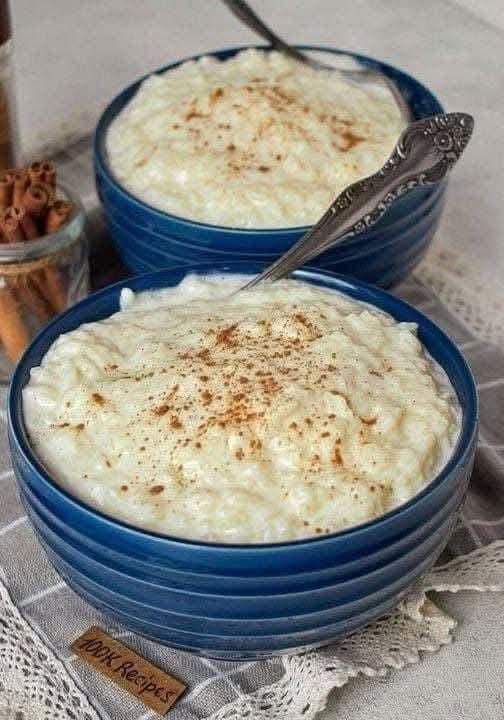
In a world of elaborate desserts and fleeting food trends, there’s something profoundly comforting about a bowl of old-fashioned rice pudding. It’s the dessert of grandmothers and cozy kitchens, a humble, creamy concoction of tender grains of rice suspended in a sweet, vanilla-infused custard, with just a whisper of cinnamon on top. This recipe is the real deal—made on the stovetop with simple, wholesome ingredients: long-grain white rice, whole milk, heavy cream, sugar, eggs, and pure vanilla extract. No instant mixes, no canned milk, just pure, honest, old-fashioned goodness. Every spoonful is velvety, rich, and delicately spiced, the kind of dessert that warms you from the inside out and tastes like a hug from someone who loves you. Whether you enjoy it warm, right off the stove, or chilled from the fridge the next day, this rice pudding is destined to become your new favorite comfort food. It’s the timeless treat that never goes out of style, and it’s waiting for you to rediscover its simple, soul-satisfying magic.
This recipe belongs to a generation that knew how to make a little go a long way. A cup of rice, some milk and cream, a bit of sugar, a couple of eggs, and a splash of vanilla are all it takes to create a dessert that’s creamy, satisfying, and incredibly affordable. The technique is just as simple: simmer the rice in milk and cream until it’s tender and swollen, then slowly temper in the beaten eggs and sugar, stirring constantly until the mixture thickens into a luscious, spoonable custard. The heat of the stove gently cooks the eggs, thickening the pudding without scrambling them, and the vanilla infuses the entire kitchen with its warm, aromatic sweetness. The result is a pudding that’s rich but not heavy, sweet but not cloying, with the perfect balance of creamy custard and tender, slightly chewy grains of rice. It’s a dessert that feels like a warm blanket on a cold night, and it’s just as delicious for breakfast the next morning with a drizzle of maple syrup. This is the kind of recipe that becomes a cherished family tradition, passed down through handwritten recipe cards, and it’s one you’ll want to make again and again.
In this comprehensive guide, I’ll walk you through every detail of making the perfect old-fashioned rice pudding on your stovetop. We’ll explore the best type of rice to use for the creamiest texture, the secrets to tempering eggs so they blend seamlessly into the hot pudding, and a treasure trove of variations that let you customize this classic to your taste. You’ll find step-by-step instructions, pro tips for a smooth, silky custard, and all the storage and reheating advice you need. Whether you’re a lifelong rice pudding lover or a first-timer drawn in by its nostalgic charm, this recipe is about to become a beloved staple in your kitchen. Let’s grab a heavy-bottomed pot and get stirring—something wonderful is about to happen.
Why You’ll Love This Old-Fashioned Rice Pudding
Incredibly creamy, with a luscious custard texture. This isn’t a thin, soupy rice pudding. The combination of whole milk and heavy cream creates a rich, velvety base, while the eggs gently cook into a silky custard that coats every grain of rice. The result is a pudding that’s dense, satisfying, and utterly luxurious. Each spoonful is a perfect balance of creamy custard and tender rice, with a delicate sweetness that never overpowers. The vanilla adds a warm, fragrant note, and a dusting of cinnamon on top provides the classic finishing touch. It’s the kind of dessert that feels indulgent but is made from the simplest pantry staples. You’ll find yourself sneaking spoonfuls straight from the pot, and you won’t regret a single one.
Made from basic, affordable ingredients you already have. There’s nothing fancy or hard-to-find in this recipe. Long-grain white rice, milk, cream, sugar, eggs, and vanilla—that’s the entire lineup. It’s a budget-friendly dessert that feeds a crowd, and it’s the perfect way to use up leftover rice if you happen to have some. Even if you start from scratch, the ingredients cost just a few dollars. This is home cooking at its most practical and its most delicious. You don’t need a special occasion to make rice pudding; it’s the kind of dessert you whip up on a whim because the craving strikes, and you have everything you need. It’s humble, honest, and profoundly satisfying.
A timeless classic that spans generations. Rice pudding has been made in kitchens around the world for centuries, and every culture has its own version. This old-fashioned American-style recipe, cooked on the stovetop, is the one that tastes like Grandma’s house. It’s the dessert that brings back memories of childhood, of chilly evenings and warm kitchens. Making it connects you to a long line of home cooks who relied on simple, nourishing ingredients to create something special. There’s a deep, nostalgic comfort in a bowl of rice pudding, and sharing it with your own family creates new memories that will last a lifetime. It’s a recipe that will never go out of style, and it’s one you’ll be proud to pass down.
Delicious warm or cold, for dessert or breakfast. One of the best things about rice pudding is its versatility. Serve it warm, straight from the stove, with a pat of butter melting on top, and it’s the ultimate cozy dessert. Chill it overnight, and it transforms into a thick, almost rice-pudding-cake-like treat that’s wonderful for breakfast with a drizzle of maple syrup or a handful of fresh berries. It can be dressed up with a dollop of whipped cream, a sprinkle of toasted nuts, or a drizzle of caramel sauce. You can even stir in raisins, dried cranberries, or a pinch of nutmeg for different flavor profiles. It’s the kind of recipe that adapts to your mood and the occasion, and it’s equally at home at a holiday table or a quiet weeknight dinner. The leftovers—if there are any—are a gift, and they might just be even better than the first serving.
Ingredient Deep Dive: The Simple, Creamy Lineup
Each ingredient in this recipe plays a specific role in creating that perfect, creamy, old-fashioned rice pudding. Let’s break them down.
White Rice – The Tender, Chewy Base
You’ll need 1 cup of long-grain or medium-grain white rice. Long-grain rice, such as jasmine or standard white rice, yields a pudding with distinct, separate grains that are tender but not mushy. Medium-grain rice, like arborio (used for risotto), has a higher starch content and will create an even creamier, thicker pudding. Both work beautifully, and the choice comes down to your preference. Do not use instant or quick-cooking rice, as it will turn to mush. Do not use brown rice, which requires a much longer cooking time and won’t absorb the custard in the same way. The rice is cooked directly in the milk and cream on the stovetop, absorbing the liquid and releasing its starch, which helps thicken the pudding naturally. The gentle simmering process takes about 20–25 minutes, and the rice should be just tender, with a slight bite. The rice is the heart of this dessert, and its texture is what makes each spoonful so satisfying. The grains become plump and infused with the sweet, vanilla-scented cream. It’s important to stir the rice occasionally during cooking to prevent it from sticking to the bottom of the pot, but a heavy-bottomed pot will minimize scorching. The rice will continue to absorb liquid as the pudding cools, so it will thicken further after you take it off the heat. This is why the pudding may seem slightly loose when you first finish it—it will set up perfectly as it rests. The rice is the soul of the pudding, providing both body and a delightful chew that contrasts with the silky custard.
Whole Milk and Heavy Cream – The Luscious, Velvety Liquid
Two cups of whole milk and ½ cup of heavy cream combine to create the perfect creamy base. Whole milk provides the bulk of the liquid and a rich, satisfying mouthfeel. The heavy cream adds an extra layer of decadence and a velvety texture that makes the pudding taste luxurious. Using all whole milk would result in a thinner, less rich pudding, while using all cream would be too heavy and might make the custard overly thick. The combination is the Goldilocks ratio—just right. The milk and cream are heated together with the rice, gently simmering until the rice is tender. The fat content in the dairy is essential for carrying the flavors of the vanilla and sugar, and it helps create a smooth, stable custard when the eggs are added. For a lighter version, you could use 2% milk and half-and-half, but the texture won’t be as rich. The full-fat version is what makes this old-fashioned rice pudding so deeply comforting. The dairy also contributes to the beautiful, pale ivory color of the finished pudding. As it cooks, the kitchen will fill with the sweet, nutty aroma of warm milk, which is one of the most comforting scents in the world. The milk and cream should be added cold from the fridge; there’s no need to warm them first, as they’ll heat up gradually with the rice. This slow, gentle heating allows the rice to cook evenly and absorb the liquid without scorching. The result is a pudding that’s smooth, creamy, and perfectly balanced between richness and lightness.
Granulated Sugar – The Gentle Sweetness
Half a cup of granulated white sugar sweetens the pudding just enough to satisfy a sweet tooth without overwhelming the delicate dairy and vanilla flavors. The sugar dissolves completely into the hot milk, creating a smooth, even sweetness. You can adjust the amount slightly to your taste—reduce it to ⅓ cup for a less sweet, more breakfast-friendly pudding, or increase it to ⅔ cup if you have a sweet tooth. Brown sugar can be substituted for a deeper, molasses-like flavor, but it will darken the pudding and give it a slightly different character. The sugar is combined with the beaten eggs and then tempered into the hot rice mixture, ensuring it’s fully incorporated without any graininess. Sugar also contributes to the texture of the custard, helping it set properly as it cooks. It’s a simple, straightforward sweetener that lets the other ingredients shine. A pinch of salt, though not a separate ingredient here, is often added to balance the sweetness and enhance the flavors. If you’re using salted butter as a garnish, that will provide the salty contrast. The sugar, along with the vanilla, is what gives this rice pudding its classic, comforting taste—sweet but not cloying, warm, and utterly satisfying. It’s the kind of dessert that tastes like pure, simple happiness, and the sugar is an essential part of that nostalgic flavor.
Large Eggs – The Custard Magic
Two large eggs are the key to transforming a simple pot of rice and milk into a thick, velvety custard. The eggs are beaten with the sugar until the mixture is pale and slightly thickened, which helps them blend seamlessly into the hot rice. The crucial step is tempering: you slowly drizzle a ladleful of the hot rice mixture into the eggs while whisking constantly, gradually warming the eggs without scrambling them. Then, the tempered egg mixture is stirred back into the pot and cooked gently until the pudding thickens. The eggs provide richness, structure, and that signature spoon-coating consistency. They also add a subtle, custardy flavor that’s essential to old-fashioned rice pudding. It’s important not to let the pudding boil after the eggs are added, as high heat can cause them to curdle. A gentle, low simmer, with constant stirring, ensures a smooth, silky result. The eggs should be at room temperature for the easiest tempering. If they’re cold from the fridge, place them in a bowl of warm water for a few minutes before using. The eggs are what give this dessert its luxurious texture, and they’re the reason this rice pudding tastes so much richer than a simple rice-and-milk porridge. They bind the milk, cream, and sugar into a cohesive, creamy whole that’s absolutely divine. Without them, you’d have a simple rice soup; with them, you have a transcendent comfort food that’s beloved for generations.
Vanilla Extract – The Warm, Fragrant Finish
One teaspoon of pure vanilla extract is all you need to infuse the entire pudding with a warm, floral, and utterly comforting aroma. Vanilla is the classic flavoring for rice pudding, and it pairs perfectly with the creamy dairy and sweet sugar. Use a good-quality pure vanilla extract, not imitation, for the best flavor. The vanilla is stirred in after the pudding has finished cooking and been removed from the heat. Adding it at the end preserves its delicate flavor, which can dissipate if exposed to prolonged high heat. The aroma of vanilla as you stir it into the hot pudding is intoxicating, and it signals that something truly special is about to be served. You can also use a vanilla bean for an even more intense vanilla experience: split the bean lengthwise, scrape the seeds into the milk at the beginning, and add the pod to the pot as the rice cooks. Remove the pod before adding the eggs. Vanilla bean paste is another excellent option that gives you those beautiful little black flecks. The vanilla elevates the pudding from a simple sweet treat to a fragrant, memorable dessert. It’s the finishing touch that ties all the flavors together, making each bite taste complete and perfectly balanced. A sprinkle of cinnamon or nutmeg on top is traditional, but the vanilla is the soul of the flavor. It’s the essence of old-fashioned goodness, and it’s what makes this rice pudding taste like home.
Step-by-Step: From Stovetop to Spoon
Follow these detailed steps for a perfectly creamy, old-fashioned rice pudding every time.
Step 1: Combine the Rice and Dairy
In a large, heavy-bottomed saucepan or Dutch oven, combine the 1 cup of white rice, 2 cups of whole milk, and ½ cup of heavy cream. Add a tiny pinch of salt (optional, but it enhances the flavor). Place the pot over medium heat and bring the mixture to a gentle simmer, stirring occasionally with a wooden spoon or heatproof spatula to prevent the rice from sticking to the bottom. Once it reaches a simmer, reduce the heat to low. The surface should be barely bubbling, with small bubbles around the edges. Cover the pot partially with a lid, leaving a small gap for steam to escape. Let the rice cook gently, stirring every few minutes, for 20–25 minutes, or until the rice is tender and has absorbed most of the liquid. The mixture will look like a thick, creamy porridge. The rice should be soft with a slight bite—not crunchy, but not mushy. If the liquid evaporates too quickly before the rice is tender, add a splash more milk. The key is a low, slow simmer so the rice cooks evenly and releases its starch, which helps thicken the pudding. The kitchen will smell warm, milky, and comforting. This is the foundation of your pudding, and it should be creamy and well-cooked before you proceed to the next step. Stirring regularly is crucial to prevent scorching, especially if you’re using a thinner-bottomed pot. A heavy-bottomed pot distributes heat evenly and makes this step much easier. The rice should be just tender and the mixture should be thick and porridge-like. If it looks too liquidy, let it cook a few more minutes uncovered to reduce slightly, but remember it will thicken further with the eggs. The consistency should be similar to a loose oatmeal. You want the rice to have absorbed most of the milk but still be surrounded by a creamy, starchy sauce. This is the perfect base for the custard.
Step 2: Beat the Eggs and Sugar
While the rice is cooking, in a medium bowl, whisk together the 2 large eggs and ½ cup granulated sugar. Whisk vigorously until the mixture is pale, slightly frothy, and the sugar has begun to dissolve. This takes about 2–3 minutes by hand, or 1 minute with a hand mixer. The mixture should be smooth and slightly thickened. This step is important because it incorporates air and ensures the sugar dissolves, preventing a grainy texture in the final pudding. The eggs and sugar will be tempered into the hot rice, so having them well-beaten and ready is essential. Set the bowl near the stove so you can work quickly when it’s time to temper.
Step 3: Temper the Eggs
This is the most crucial step for a smooth, non-scrambled custard. Remove the pot of cooked rice from the heat. Take a ladleful (about ½ cup) of the hot rice mixture and, while whisking the egg-sugar mixture constantly with your other hand, slowly drizzle the hot rice into the eggs in a thin, steady stream. This gradually warms the eggs without cooking them. Continue whisking until the ladleful is fully incorporated. Then, pour the tempered egg mixture back into the pot with the remaining rice, stirring constantly with a wooden spoon or spatula. The mixture will look a bit thin at this stage, but it will thicken as it cooks. The tempering process ensures the eggs blend seamlessly into the hot pudding, creating a silky custard rather than scrambled egg bits. It’s a simple technique that makes all the difference. If you pour the eggs directly into the hot pot without tempering, they’ll cook on contact and ruin the texture. Take your time with this step—it only takes a minute, and it’s the key to a perfect rice pudding.
Step 4: Cook the Custard
Return the pot to the stove over medium-low heat. Cook the pudding, stirring constantly with a wooden spoon or heatproof spatula, for 5–7 minutes, until the mixture has thickened noticeably and coats the back of the spoon. You’ll feel the pudding become heavier and silkier as it cooks. Do not let it boil—if you see any large bubbles, reduce the heat immediately. The pudding should be thick enough that when you run your finger through the coating on the back of the spoon, a clear line remains. The rice will continue to absorb liquid, so the pudding should be slightly looser than your desired final consistency; it will thicken further as it cools. The constant stirring is important to prevent the eggs from curdling on the bottom of the pot and to ensure even thickening. The mixture will turn from a loose, milky consistency to a rich, spoonable custard. The aroma of vanilla and sweet cream will intensify. Once the pudding has reached the desired thickness, remove the pot from the heat. This gentle cooking process is what creates that luxurious, old-fashioned texture. It’s a labor of love, but it only takes a few minutes, and the reward is a pudding that’s smooth, creamy, and utterly perfect.
Step 5: Add Vanilla and Rest
Remove the pot from the heat. Stir in the 1 teaspoon of vanilla extract. The warmth of the pudding will release the vanilla’s fragrance immediately, filling the kitchen with the most heavenly aroma. At this point, you can also stir in any optional add-ins, such as raisins, dried cranberries, or a sprinkle of cinnamon. Spoon the pudding into a large serving bowl or individual ramekins. The pudding will be warm, creamy, and slightly loose. It will continue to thicken as it cools. For a warm dessert, let it rest for about 5–10 minutes before serving. For a thicker, colder pudding, let it cool to room temperature, then cover and refrigerate for at least 2 hours or overnight. The chilled pudding will be much firmer, almost sliceable, and is wonderful for breakfast. The vanilla adds that final, essential layer of flavor that makes this rice pudding taste like the one Grandma used to make. A sprinkle of cinnamon or freshly grated nutmeg on top is traditional and adds a warm, spicy finish. The pudding can be served warm or cold, depending on your preference. Both ways are divine. The rest time allows the flavors to meld and the rice to absorb any remaining liquid, resulting in a perfectly balanced dessert.
Pro Tips for a Silky, Never-Scrambled Custard
- Use a heavy-bottomed pot. Rice pudding can easily scorch on the bottom if the heat isn’t evenly distributed. A heavy-bottomed saucepan or Dutch oven helps prevent hot spots and ensures the rice cooks evenly without burning. If you only have a thin pot, keep the heat very low and stir more frequently. The heavy pot also retains heat well, which helps the custard cook gently after the eggs are added. This is the single best piece of equipment you can use for a perfect stovetop rice pudding.
- Temper the eggs slowly and carefully. Rushing the tempering process is the most common cause of scrambled eggs in rice pudding. Drizzle the hot rice mixture into the eggs in a very thin stream while whisking constantly. If you pour too quickly, the eggs will cook. It’s better to take an extra 30 seconds than to ruin the texture. You can also use a liquid measuring cup with a spout for more control. The tempered egg mixture should be warm to the touch but not hot, and it should be perfectly smooth before you add it back to the pot. If you see any small bits of cooked egg, strain the mixture through a fine-mesh sieve before returning it to the pot to remove them. But if you temper carefully, you shouldn’t have any issues.
- Stir constantly after adding the eggs. Once the tempered eggs are in the pot, the pudding needs your full attention. Stir continuously, scraping the bottom and sides of the pot to prevent any sticking or curdling. This is not the time to walk away. The constant motion ensures even heat distribution and a smooth, velvety texture. Use a wooden spoon or a heatproof spatula, and keep the heat on medium-low. If the pudding starts to steam excessively or bubble, lower the heat immediately. The stirring should be gentle but thorough.
- Don’t overcook the custard. The pudding will continue to thicken as it cools, so it’s better to slightly undercook it on the stove than to overcook it. The custard should be thick enough to coat the back of a spoon, but it will still look a bit loose in the pot. As it rests, the rice will absorb more liquid and the eggs will set further, resulting in the perfect consistency. If you cook it until it’s completely thick and stiff, it may become too dense and pasty upon cooling. Err on the side of a little looser when you take it off the heat. You can always let it cool and see how it sets up; you can’t undo an overcooked pudding.
- Add the vanilla off the heat. Vanilla extract is volatile, and its delicate flavor compounds can evaporate if exposed to high heat. Stirring it in after the pot has been removed from the burner preserves its full, fragrant aroma. The residual heat is more than enough to infuse the pudding. This is a simple trick that applies to any custard or pudding, and it makes a noticeable difference in the final flavor. The kitchen will fill with the scent of vanilla as you stir it in, and that’s exactly what you want. It’s the final, beautiful touch that completes the dish.
Flavor Twists & Creative Add-Ins
While the classic, unadorned rice pudding is perfection, you can easily adapt it to create new flavor profiles. Here are a few beloved variations.
- Cinnamon Raisin Rice Pudding: This is the most iconic variation. Stir in ½ cup of raisins (or dried cranberries or chopped dried apricots) along with the vanilla. Add ½ teaspoon of ground cinnamon and a pinch of nutmeg to the milk at the beginning. The raisins plump up in the hot pudding, becoming soft and juicy, while the cinnamon infuses the entire dish with a warm, spicy aroma. This version is a classic for a reason, and it tastes like the holidays in a bowl. A sprinkle of cinnamon on top before serving makes it look and smell irresistible.
- Coconut Rice Pudding: Replace the whole milk with an equal amount of canned coconut milk (the full-fat kind, shaken well) for a rich, tropical twist. The cream can be omitted, or you can use coconut cream for extra decadence. Stir in ½ cup of toasted shredded coconut at the end. The coconut flavor is fragrant and pairs beautifully with the vanilla. Top with fresh mango or a drizzle of honey for an exotic dessert. This version is dairy-free if you use all coconut milk and coconut cream, and it’s utterly luscious.
- Chocolate Rice Pudding: Add ¼ cup of unsweetened cocoa powder to the milk and cream at the beginning, whisking until smooth. You may want to increase the sugar slightly to balance the bitterness of the cocoa. For an extra-chocolatey version, stir in ½ cup of semi-sweet chocolate chips at the end, letting them melt into the warm pudding. This is a decadent, kid-friendly twist that tastes like a chocolate pudding and rice had the most delicious baby. Top with whipped cream and chocolate shavings for a show-stopping dessert.
- Lemon Rice Pudding: Add the zest of one large lemon to the milk at the beginning, and stir in a tablespoon of fresh lemon juice at the end along with the vanilla. The bright, citrusy flavor cuts through the richness and makes the pudding feel light and refreshing. This version is wonderful served chilled, and it pairs beautifully with fresh berries. You can also fold in a little lemon curd for an extra burst of tangy sweetness. It’s a lovely spring and summer dessert.
- Spiced Chai Rice Pudding: Add a chai tea bag or a sachet of whole spices (a cinnamon stick, a few cardamom pods, a slice of fresh ginger, and a couple of cloves) to the milk as it simmers. Remove the spices before adding the eggs. The warm, aromatic spices infuse the pudding with a cozy, complex flavor that’s perfect for fall and winter. Serve with a drizzle of honey and a sprinkle of chopped pistachios. This version is sophisticated and comforting, like a chai latte in dessert form.
Serving Suggestions & Garnishes
Rice pudding is a versatile dessert that can be dressed up or down. Serve it warm in cozy bowls, topped with a pat of butter and a generous sprinkle of ground cinnamon or freshly grated nutmeg. A drizzle of heavy cream or a dollop of whipped cream adds extra richness. For a fancier presentation, layer the pudding in parfait glasses with fresh berries, crushed cookies, or a swirl of fruit compote. Chilled rice pudding is wonderful for breakfast, topped with sliced bananas, toasted nuts, and a drizzle of maple syrup or honey. You can also serve it with a side of poached pears or a warm fruit crisp. For a holiday dessert table, spoon the pudding into a large, shallow serving dish, sprinkle the top with a mixture of cinnamon and sugar, and place it under the broiler for a minute or two to create a caramelized, brûléed top. The contrast between the crunchy sugar crust and the creamy pudding beneath is absolutely divine. A sprinkle of chopped toasted pecans or almonds adds a pleasant crunch. The pudding is also lovely with a small glass of sherry, a cup of strong black coffee, or a steaming mug of chai tea. However you serve it, this old-fashioned rice pudding brings a sense of warmth, comfort, and timeless tradition to the table. It’s the perfect ending to any meal, and it’s just as welcome as a simple afternoon snack. The beauty of this dessert is its humility; it doesn’t need elaborate garnishes to shine, but a few thoughtful touches can make it truly special. Let your creativity guide you, and enjoy every creamy, nostalgic spoonful.
Storage, Reheating & Make-Ahead
Make-Ahead: Rice pudding is an ideal make-ahead dessert. You can prepare it up to 2 days in advance and store it in the refrigerator. The flavors will meld and deepen, and the texture will become even creamier. If you’re serving it warm, simply reheat it gently before serving. If you prefer it cold, it’s ready to go straight from the fridge. This makes it a perfect dessert for holiday entertaining, as you can cross one more thing off your to-do list. The pudding can also be made in the morning and left to chill all day. It travels well in a cooler, making it a great choice for potlucks and picnics.
Storing Leftovers: Transfer any cooled leftover pudding to an airtight container and refrigerate for up to 5 days. The pudding will thicken significantly as it chills; this is normal. To serve, you can enjoy it cold, or reheat it gently. If the pudding seems too thick after refrigeration, you can stir in a splash of milk or cream to loosen it to your desired consistency. The rice will have absorbed much of the liquid, so a little extra dairy helps restore the creamy texture. The flavor will be just as delicious, if not more so, after a day or two. The pudding may separate slightly; a good stir will bring it back together. It’s a fantastic dessert to have on hand for spontaneous cravings or unexpected guests.
Reheating: For warm rice pudding, reheat individual portions in the microwave for 1–2 minutes, stirring halfway through. For larger amounts, place the pudding in a saucepan over low heat, add a splash of milk or cream, and stir gently until heated through. Do not boil, as the eggs can curdle. The stovetop method gives you more control and results in a creamier texture. You can also reheat it in a covered baking dish in a 325°F oven for about 15–20 minutes. Stir before serving. The gentle reheat brings back the pudding’s velvety warmth and releases the vanilla aroma once again. It’s just as good, if not better, the second time around. A fresh sprinkle of cinnamon on top after reheating makes it taste freshly made.
Freezing: Freezing is not recommended for rice pudding. The rice can become mushy and the custard can separate and become grainy upon thawing. The texture will be significantly altered, and it won’t have the same creamy mouthfeel. Because rice pudding is so quick and easy to make, and the ingredients are so accessible, it’s best to enjoy it fresh. If you have an abundance, share it with friends, family, or neighbors—it’s the kind of dessert that’s meant to be shared and enjoyed within a few days. If you must freeze it, do so in an airtight container for up to 1 month, and thaw overnight in the refrigerator. Reheat gently, and be prepared for a different, less creamy texture. It will still be edible, but it won’t be at its best. Fresh is always the way to go with this classic.
Want the full recipe and simple step-by-step instructions?
Page 2 continues with the full ingredients, cooking tips, and easy directions so you can make this recipe perfectly at home.