PART 2 — AFTER PAGE BREAK / HTML
Additional Vegetables You Can Add
This Chinese Pepper Steak recipe is easy to customize with extra vegetables.
You can add:
- Broccoli florets
- Sliced mushrooms
- Snow peas
- Carrots
- Baby corn
- Green beans
- Zucchini
- Bok choy
- Water chestnuts
- Bean sprouts
Vegetables with a longer cooking time, such as carrots and broccoli, should be added before the bell peppers.
Quick-cooking vegetables, including mushrooms, snow peas, and bean sprouts, can be added later.
Avoid overcrowding the skillet. Too many ingredients can lower the temperature of the pan and cause the vegetables to steam instead of brown.
Cook additional vegetables in batches when necessary.
Spicy Chinese Pepper Steak
Traditional pepper steak is usually savory rather than extremely hot.
For a spicy variation, add one or more of the following:
- Crushed red pepper flakes
- Sriracha
- Chili garlic sauce
- Fresh sliced jalapeños
- Dried red chilies
- Chili oil
- Hot sesame oil
Begin with a small quantity and add more after tasting.
You can also serve chili oil or hot sauce on the side so each person can control the heat level.
Pepper Steak With Mushrooms
Mushrooms add a deep savory flavor and absorb the rich stir-fry sauce.
Use approximately eight ounces of sliced mushrooms.
After cooking and removing the beef, add the mushrooms to the hot skillet.
Cook them until they release their moisture and begin to brown.
Then add the onions and bell peppers.
White button mushrooms, cremini mushrooms, and shiitake mushrooms all work well.
Avoid adding too many mushrooms at once because they release a significant amount of water.
Pepper Steak With Pineapple
For a sweet and savory version, add one cup of well-drained pineapple chunks.
Add the pineapple during the final two minutes of cooking.
You can replace part of the brown sugar with one or two tablespoons of pineapple juice.
Do not add too much juice because it can make the sauce thin.
Pineapple pepper steak tastes especially good with red bell peppers, white onions, and steamed jasmine rice.
Low-Carb Pepper Steak
Chinese Pepper Steak can easily become a lower-carbohydrate meal.
Skip the traditional rice and serve it with:
Cauliflower rice
Zucchini noodles
Steamed broccoli
Shredded cabbage
Lettuce wraps
Roasted vegetables
You can also reduce or omit the brown sugar.
Check the labels on bottled sauces because oyster sauce, hoisin sauce, and some soy sauces may contain added sugar.
Gluten-Free Pepper Steak
To make this recipe gluten-free, replace regular soy sauce with certified gluten-free tamari.
Choose a gluten-free oyster sauce or use a small amount of gluten-free hoisin sauce.
Check the labels on the beef broth, vinegar, cornstarch, and other packaged ingredients.
When preparing the meal for someone with a gluten sensitivity, use clean utensils, cutting boards, and cookware to reduce cross-contact.
What to Serve With Chinese Pepper Steak
This stir-fry pairs well with many easy side dishes.
Serve it with:
Steamed white rice
Jasmine rice
Brown rice
Fried rice
Basmati rice
Lo mein noodles
Rice noodles
Chow mein noodles
Cauliflower rice
Steamed broccoli
Egg rolls
Spring rolls
Stir-fried green beans
Asian cucumber salad
Rice is the most popular option because it absorbs the flavorful sauce.
For a lighter meal, serve the pepper steak with steamed vegetables or cauliflower rice.
How to Prepare Rice for Pepper Steak
Rinse the rice under cool running water until the water becomes mostly clear.
Place the rice and water in a saucepan according to the package directions.
Bring the water to a boil.
Reduce the heat, cover the pot, and cook until the rice is tender.
Remove the pot from the heat and allow the rice to rest for five to ten minutes.
Fluff it gently with a fork before serving.
Prepare the rice before beginning the stir-fry because the beef and vegetables cook very quickly.
Meal-Prep Instructions
Chinese Pepper Steak is a convenient recipe for weekly meal preparation.
Divide cooked rice between airtight meal-prep containers.
Add the beef, vegetables, and sauce.
Allow the food to cool before covering the containers.
Store them in the refrigerator for up to four days.
When reheating, use a lower heat setting to prevent the beef from becoming tough.
You may also store the rice separately so it does not absorb too much sauce.
How to Store Leftover Pepper Steak
Allow the leftovers to cool before placing them in an airtight container.
Refrigerate the pepper steak for up to four days.
Store the rice in a separate container when possible.
Do not leave cooked beef at room temperature for longer than two hours.
During hot weather, refrigerate leftovers sooner.
Discard the food if it develops an unusual smell, appearance, or texture.
How to Reheat Pepper Steak
For the best texture, reheat the stir-fry in a skillet over medium-low heat.
Add a small splash of beef broth or water when the sauce becomes too thick.
Stir gently until the beef and vegetables are fully heated.
You can also use a microwave.
Place one portion in a microwave-safe dish.
Cover it loosely and heat for approximately one minute.
Stir and continue heating in short intervals.
Avoid overheating the beef because it may become dry and chewy.
Can You Freeze Chinese Pepper Steak?
Yes.
Allow the cooked stir-fry to cool completely.
Transfer it to a freezer-safe container.
Leave a small amount of space at the top for expansion.
Freeze for up to three months.
For the best results, freeze the rice separately.
Thaw the pepper steak overnight in the refrigerator.
Reheat it gently in a skillet with a small amount of broth or water.
The bell peppers may become softer after freezing, but the flavor should remain delicious.
Make-Ahead Instructions
Several parts of this recipe can be prepared in advance.
Slice the beef and marinate it up to 24 hours before cooking.
Cut the onions and peppers and refrigerate them in separate airtight containers.
Mix the stir-fry sauce and keep it covered in the refrigerator.
Before cooking, stir the sauce thoroughly because the cornstarch may settle at the bottom.
Do not combine the raw beef with the vegetables during storage.
Common Problems and Solutions
Why Is My Beef Tough?
The beef may have been cut too thickly, sliced with the grain, or cooked for too long.
Slice the steak thinly against the grain.
Cook it quickly over medium-high heat.
Remove it from the skillet while it is still slightly undercooked, then finish it briefly in the sauce.
Using cornstarch in the marinade can also help create a more tender texture.
Why Is My Stir-Fry Watery?
The pan may have been overcrowded.
The vegetables may also have released too much moisture.
Cook the beef and vegetables in batches.
Use a hot skillet and allow excess liquid to evaporate before adding the sauce.
Stir the cornstarch mixture before pouring it into the pan.
Why Is the Sauce Too Thick?
The sauce may have simmered for too long.
Add beef broth or water one tablespoon at a time.
Stir after each addition until the sauce reaches the desired consistency.
Why Is the Sauce Too Thin?
Allow the sauce to simmer for another minute.
You can also mix one teaspoon of cornstarch with one tablespoon of cold water.
Slowly add the mixture to the skillet while stirring.
Do not add dry cornstarch directly to hot sauce because it may create lumps.
Why Are the Vegetables Too Soft?
The vegetables were probably cooked for too long.
Use medium-high heat and cook them only until they are slightly tender.
Cut the vegetables into similar-sized pieces so they cook evenly.
Add delicate vegetables near the end of the cooking process.
Why Is My Pepper Steak Too Salty?
Soy sauce, oyster sauce, and beef broth can all contain a significant amount of sodium.
Use low-sodium soy sauce and unsalted or low-sodium broth.
Do not add extra salt before tasting the finished dish.
When the sauce is already too salty, add a little water, additional vegetables, or a small quantity of brown sugar.
Frequently Asked Questions
Can I Use Chicken Instead of Beef?
Yes.
Slice boneless chicken breast or chicken thighs into thin pieces.
Cook the chicken completely before removing it from the skillet.
Prepare the vegetables and sauce, then return the chicken to the pan.
Can I Use Ground Beef?
Yes, although the finished texture will be different.
Brown the ground beef in the skillet.
Drain excess fat.
Remove it from the pan, cook the vegetables, and prepare the sauce.
Return the ground beef and stir until everything is coated.
Can I Make Pepper Steak Without Oyster Sauce?
Yes.
Replace oyster sauce with hoisin sauce, additional soy sauce, or a mixture of soy sauce and a small amount of brown sugar.
The flavor will be slightly different but still delicious.
Can I Make It Without Cornstarch?
Arrowroot powder can replace cornstarch.
Mix it with cold water before adding it to the hot sauce.
You can also allow the sauce to simmer longer, but it may not become as glossy.
Can I Use a Regular Skillet?
Yes.
A large cast-iron, stainless-steel, or nonstick skillet works well.
The pan should be large enough to cook the ingredients without overcrowding them.
Is Chinese Pepper Steak Spicy?
Traditional pepper steak is usually not very spicy.
The word “pepper” mainly refers to bell peppers and black pepper.
Add chili flakes, hot sauce, or fresh chilies when you want additional heat.
Can I Use Frozen Bell Peppers?
Yes, but frozen peppers usually become softer and release more water.
Add them directly to a hot skillet without thawing.
Cook until the excess liquid evaporates before adding the sauce.
Fresh peppers provide the best crisp texture.
Can I Double the Recipe?
Yes, but cook the beef and vegetables in several batches.
Overcrowding the skillet can prevent proper browning.
Prepare the sauce in a larger bowl and combine everything near the end.
Final Note
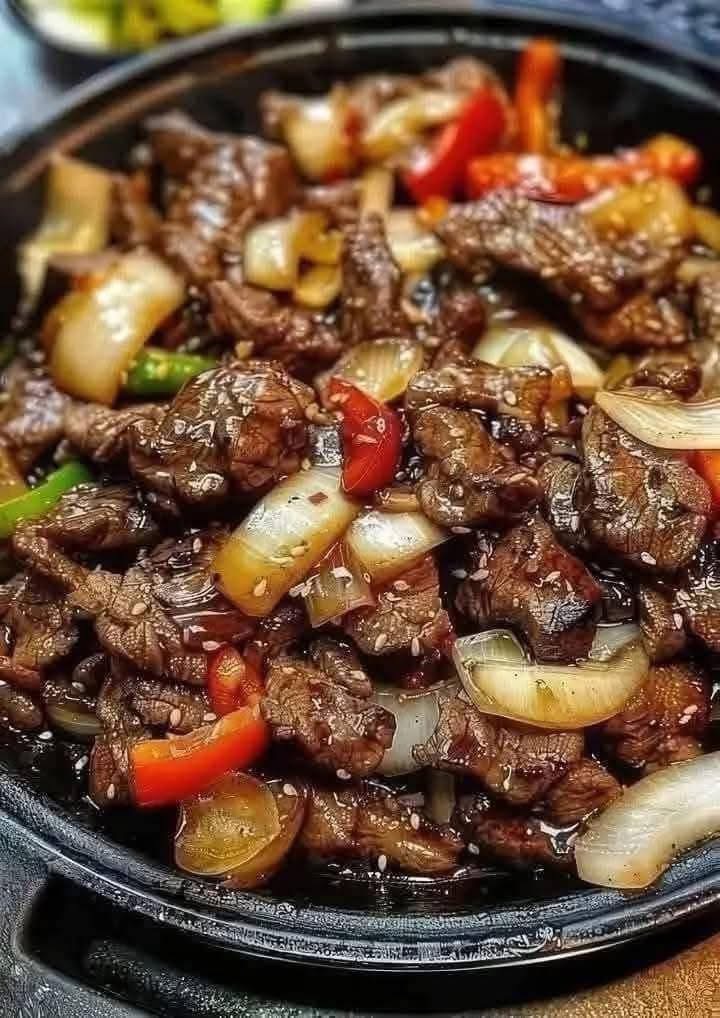
Chinese Pepper Steak Stir-Fry is a quick and satisfying meal filled with tender beef, colorful bell peppers, sweet onions, and a rich homemade sauce.
The most important steps are slicing the beef thinly against the grain, cooking it in small batches, and keeping the vegetables slightly crisp.
Serve the finished pepper steak over hot rice or noodles for an easy dinner that tastes like restaurant takeout.
This recipe is flexible, meal-prep friendly, and simple enough for a busy weeknight.
Add your favorite vegetables, adjust the heat, and keep this recipe nearby whenever you need a fast and flavorful family meal.