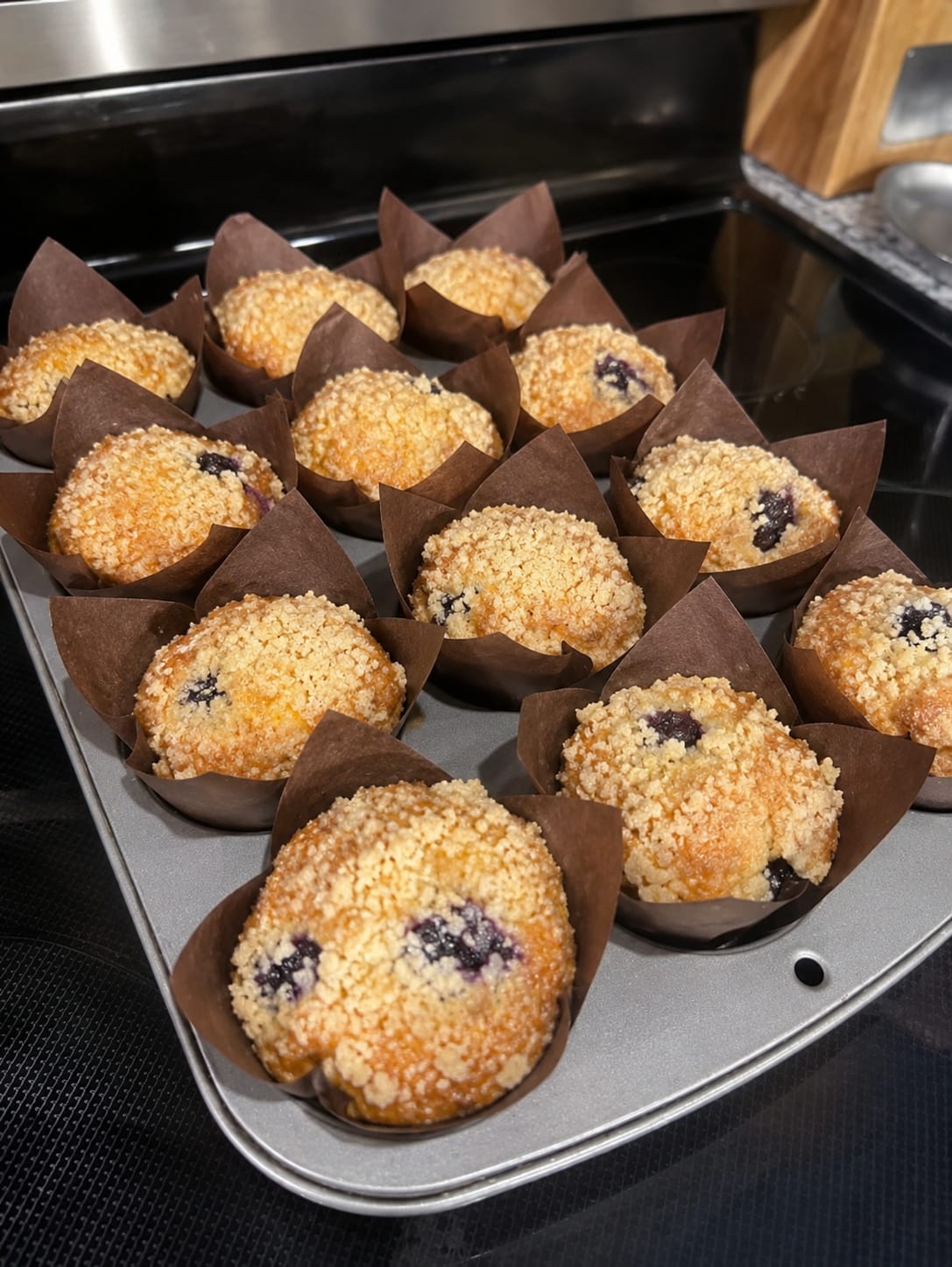
Mornings can be chaotic, but breakfast doesn’t have to be a nutritional afterthought. These High-Protein Blueberry Cottage Cheese Muffins are the answer to every busy morning you’ve ever stumbled through. They’re soft, tender, studded with juicy blueberries, and each one packs a serious protein punch—the kind that fuels your muscles, satisfies hunger, and keeps you from raiding the office snack stash by 10 a.m. Best of all, they taste like a bakery-fresh blueberry muffin, not a protein bar masquerading as baked goods. The secret? Cottage cheese and Greek yogurt blend seamlessly into the batter, adding moisture, richness, and an enormous protein boost without a chalky aftertaste.
If you’ve been searching for a healthy breakfast muffin that actually delivers on flavor and macros, your hunt is over. These muffins are naturally gluten-free when made with almond flour, sweetened with a touch of honey or maple syrup, and can be tailored to fit low-carb, keto, or even dairy-free lifestyles with a few simple swaps. They’re meal-prep friendly—bake a batch on Sunday, and you’ll have grab-and-go high-protein breakfasts all week. And because they’re made with whole-food ingredients like cottage cheese, eggs, and almond flour, they leave you feeling satisfied and energized, not weighed down.
In this in-depth guide, we’ll explore why this combination works so well, break down every ingredient, share step-by-step instructions for perfect muffins every time, and offer a world of variations, storage tips, and serving ideas. Get ready to meet the muffin that will revolutionize your morning routine.
Why You’ll Love These Protein Muffins
A massive protein boost in every muffin. Thanks to the powerhouse trio of cottage cheese, Greek yogurt, and protein powder, each muffin delivers about 12 to 15 grams of protein (depending on the exact ingredients you use). That’s more than an egg, and it comes wrapped in a soft, blueberry-studded muffin that tastes like a treat. This is the kind of breakfast that stabilizes blood sugar, keeps cravings at bay, and supports muscle repair—all critical if you’re active or simply trying to eat better.
Soft, moist, and utterly delicious. The texture of these muffins is a revelation. The cottage cheese and yogurt create a tender crumb that stays moist for days, while the protein powder and almond flour give them a satisfying heft. The blueberries burst into jammy pockets of sweetness, and the hint of vanilla makes them smell like a bakery. You genuinely won’t believe they’re so high in protein.
Incredibly easy and meal-prep ready. The batter comes together in about 10 minutes—no mixer required. Just stir, fold, and bake. Make a double batch on Sunday, and your weekday breakfasts are sorted. They’re portable, they freeze brilliantly, and they taste just as good cold as they do warm.
Diet-friendly and customizable. This recipe is naturally gluten-free if you use almond flour (or certified gluten-free oat flour). It can be low-carb and keto-friendly by choosing a sugar-free sweetener and using almond flour. It’s also easy to make dairy-free by using dairy-free yogurt and a plant-based protein powder, though the cottage cheese is trickier to replace (see FAQs). Whatever your nutritional goals, there’s a version of this muffin for you.
Ingredient Spotlight: The Protein Power Players
Each ingredient in this recipe earns its keep. Let’s break them down so you understand exactly why they work and how to make the best substitutions.
1. Cottage Cheese – The Creamy Protein Base
One cup of full-fat cottage cheese provides about 25 grams of protein and a creamy, slightly tangy flavor that melts into the batter. Full-fat (4%) cottage cheese gives the softest, richest texture. If you’re sensitive to the texture of curds, you can blend the cottage cheese until completely smooth before mixing it into the batter—this creates an incredibly smooth, almost cheesecake-like crumb. Low-fat cottage cheese works too, but the muffins will be slightly less tender. Cottage cheese is the unsung hero of high-protein baking; it adds moisture without the need for oil, and its mild flavor disappears behind the vanilla and blueberries.
2. Greek Yogurt – The Tangy Tenderizer
Half a cup of plain Greek yogurt (full-fat or 2%) adds another substantial protein boost—about 10 to 12 grams—and contributes to the muffin’s soft, tender crumb. The acidity in the yogurt also reacts with the baking powder to help the muffins rise and stay fluffy. You can swap it with sour cream, skyr, or even a thick plant-based yogurt if you’re dairy-free. Just make sure it’s unsweetened.
3. Eggs – The Structure Builders
Two large eggs bind everything together, provide structure, and add another 12 grams of protein to the batch. Room-temperature eggs incorporate more easily and create a slightly lighter texture. If you forget to take them out of the fridge, place them in a bowl of warm water for 10 minutes before cracking.
4. Vanilla Protein Powder – The Protein Amplifier
One scoop (about 30 grams) of vanilla protein powder infuses the muffins with an extra 20 to 25 grams of protein and adds sweetness and vanilla flavor. Whey protein blends seamlessly and creates a soft, cake-like texture. Plant-based proteins (pea, rice, or hemp) work but can absorb more moisture, so you may need to add an extra splash of milk or yogurt if the batter seems too thick. The key is to use a protein powder you love the taste of; its flavor will come through in the finished muffin. For best results, avoid unflavored or “earthy” tasting blends.
5. Almond Flour or Oat Flour – The Gluten-Free Base
Half a cup of super-fine blanched almond flour makes these muffins naturally gluten-free, low-carb, and adds a rich, moist crumb. Almond flour is high in healthy fats and vitamin E. If you prefer oat flour, it will yield a slightly heartier, more oatmealy texture and is a wonderful option if you tolerate oats (make sure they’re certified gluten-free if needed). Both flours absorb liquid differently, but this recipe is forgiving. Coconut flour is not a direct substitute; it’s far more absorbent and would require significant adjustments.
6. Baking Powder, Vanilla, Sweetener, and Salt
A teaspoon of baking powder gives the muffins a nice lift. Pure vanilla extract rounds out the flavor and enhances the sweetness without extra sugar. One to two tablespoons of honey, maple syrup, or a keto sweetener allow you to control the sweetness level. A tiny pinch of salt is essential—it brightens all the flavors and balances the protein powder, which can sometimes taste flat without a little salt.
7. Blueberries – The Burst of Sweetness
Half a cup of fresh or frozen blueberries folded into the batter just before baking creates those irresistible pockets of jammy fruit. If using frozen blueberries, do not thaw them—add them straight from the freezer to prevent the batter from turning blue. Tossing the blueberries in a tiny bit of the flour before folding them in helps them suspend evenly throughout the muffins rather than all sinking to the bottom.
Step-by-Step: Baking Perfect Muffins
Follow these steps for soft, domed, beautifully golden muffins every time.
Step 1: Preheat and Prep
Preheat your oven to 350°F (180°C). Line a standard 12-cup muffin pan with paper liners, or generously grease each cup with butter or nonstick spray. The liners make removal a breeze and prevent sticking.
Step 2: Mix the Wet Ingredients
In a large mixing bowl, combine the cottage cheese, eggs, Greek yogurt, vanilla extract, and honey or sweetener. If you prefer a smoother texture, blend the cottage cheese first in a blender or food processor until silky, then mix it with the other wet ingredients. Whisk or stir until the mixture is uniform.
Step 3: Add the Dry Ingredients
Add the vanilla protein powder, almond flour or oat flour, baking powder, and a pinch of salt to the wet mixture. Stir gently until a thick, smooth batter forms. Be careful not to overmix—overmixing can develop the gluten (if using oat flour) or cause the muffins to become dense. A few small lumps are perfectly fine.
Step 4: Fold in Blueberries
Gently fold the blueberries into the batter with a spatula. If using frozen berries, do not thaw them. The batter will be thick enough to hold the berries in suspension. Distribute them evenly with just a few folds.
Step 5: Fill the Muffin Cups
Divide the batter evenly among the 12 prepared muffin cups. A cookie scoop or a quarter-cup measuring cup works perfectly. Each cup should be about two-thirds to three-quarters full. The muffins will rise nicely but won’t dramatically overflow.
Step 6: Bake Until Golden
Place the muffin pan in the preheated oven and bake for 20 to 25 minutes. Start checking at the 20-minute mark. The muffins are done when the tops are lightly golden, the centers feel set when pressed gently, and a toothpick inserted into the center of a muffin comes out clean or with just a few moist crumbs. Do not overbake, or they can become dry—protein powder is more sensitive to overbaking than regular flour.
Step 7: Cool and Enjoy
Remove the pan from the oven and let the muffins cool in the pan for 5 to 10 minutes. This brief rest allows them to set and makes them easier to remove. Then transfer the muffins to a wire rack to cool completely—or enjoy one warm, when the blueberries are still a little molten and the muffin is at its fluffiest.
Pro Tips for Soft, Never-Dry Muffins
- Blend the cottage cheese for a smoother texture. If the curds bother you or you’re baking for someone who claims to dislike cottage cheese, a quick whirl in the blender turns it into a silky base that disappears into the batter. No one will ever know.
- Don’t overmix the batter. Once the flour and protein powder go in, mix just until combined. Overmixing activates too much gluten (from oat flour) or makes the protein powder rubbery, leading to tough, dense muffins.
- Watch the bake time carefully. Protein powder can dry out faster than regular flour. Set a timer for 20 minutes and check. The muffins should look just set; a slight dome and a clean toothpick are your cues.
- Use room-temperature eggs and yogurt. Cold ingredients can cause the batter to be lumpy and may not incorporate as well. Let the eggs and yogurt sit on the counter for 20 minutes before starting.
- Add extra moisture if needed. If your batter seems too thick—this can happen with some protein powders—stir in a tablespoon or two of milk (dairy or non-dairy) to loosen it just enough to be scoopable. The batter should be thick but not stiff.
Flavor Twists & Customizations
Once you’ve mastered the basic blueberry version, try these delicious riffs.
- Lemon Blueberry Muffins: Add the zest of one lemon and an extra teaspoon of lemon juice to the batter. The bright citrus elevates the blueberries beautifully and makes them taste like summer.
- Double Chocolate Protein Muffins: Replace the vanilla protein powder with chocolate, add 2 tablespoons of unsweetened cocoa powder, and fold in sugar-free chocolate chips instead of blueberries. A decadent, high-protein treat.
- Blueberry Cheesecake Muffins: Swirl a tablespoon of softened cream cheese (or a little extra cottage cheese) sweetened with a drop of honey into the top of each muffin before baking. It creates a creamy, cheesecake-like core.
- Raspberry Almond Muffins: Swap the blueberries for raspberries and add a teaspoon of almond extract. Top with slivered almonds before baking for a delicate, nutty crunch.
- Pumpkin Spice Protein Muffins: In the fall, replace the blueberries with ½ cup of pumpkin puree, add 1 teaspoon of pumpkin pie spice, and reduce the Greek yogurt to ¼ cup. A cozy, seasonal twist that’s packed with vitamin A.
Serving Ideas & Meal Prep Breakfasts
These muffins are a complete grab-and-go breakfast, but a few simple additions can round them into an even more satisfying meal. Slice a muffin in half and spread with Greek yogurt or peanut butter for extra protein and creaminess. Serve them alongside a cup of coffee or a protein smoothie for a breakfast that will fuel you through the busiest mornings. For a brunch spread, arrange them on a platter with fresh berries, hard-boiled eggs, and a drizzle of warm honey. They’re also a brilliant post-workout snack—just grab one out of the fridge and refuel within minutes.
Storage, Freezing & Reheating
Refrigerating: Because these muffins are high in protein and moisture, they should be stored in an airtight container in the refrigerator. They’ll stay fresh for up to 4 days. The cool temperature also helps them retain their soft, tender texture.
Freezing: These muffins freeze exceptionally well. Wrap each cooled muffin individually in plastic wrap or place them in a single layer in a freezer-safe bag. Freeze for up to 3 months. To thaw, simply place a frozen muffin in the refrigerator overnight, or microwave it for 30–40 seconds for a quick, warm breakfast.
Reheating: For a warm muffin, microwave for 20–30 seconds, or warm in a 300°F oven for 5–7 minutes. This brings back the just-baked aroma and slightly crisps the exterior. Avoid overheating, as the protein can become rubbery.
Want the full recipe and simple step-by-step instructions?
Page 2 continues with the full ingredients, cooking tips, and easy directions so you can make this recipe perfectly at home.