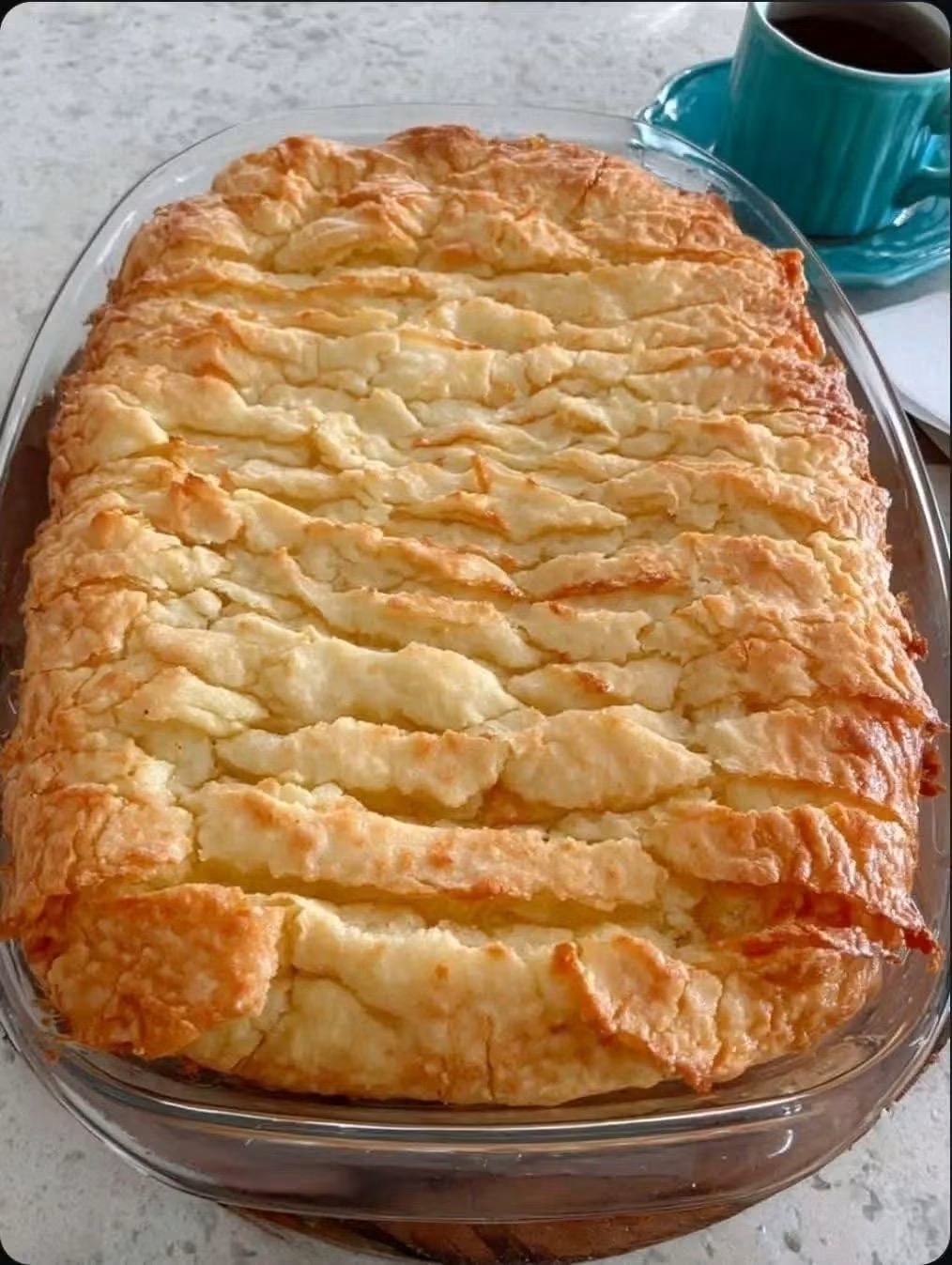
Exact Ingredients for Fluffy Cottage Cheese Egg Bake
10 large eggs
2 cups cottage cheese
1½ cups shredded cheddar, mozzarella, Monterey Jack, or a combination of cheeses
½ teaspoon salt, optional
¼ teaspoon ground black pepper
Cooking spray, softened butter, or oil for greasing the baking dish
Optional additions include chopped spinach, green onions, cooked bacon, diced ham, sautéed mushrooms, or finely chopped bell peppers.
Complete Step-by-Step Instructions
Preheat the oven to 350°F or 175°C.
Grease the bottom, corners, and sides of a 9-by-13-inch baking dish. Eggs can stick firmly to ungreased glass or metal, so make sure the dish is coated thoroughly.
Crack the eggs into a large mixing bowl.
Whisk them for approximately one minute, or until the egg whites and yolks are completely combined.
Add the cottage cheese and continue mixing until it is distributed throughout the eggs.
For a smoother casserole without visible cottage cheese curds, blend the eggs and cottage cheese for approximately 20 to 30 seconds.
Return the mixture to a bowl and add one cup of shredded cheese.
Season with salt and black pepper according to your preference.
Stir gently until the cheese is spread evenly through the egg mixture.
Pour everything into the prepared baking dish.
Use a silicone spatula or spoon to spread the mixture evenly, making sure the cottage cheese is not concentrated in only one area.
Sprinkle the remaining half cup of shredded cheese over the top.
Place the baking dish on the center rack of the preheated oven.
Bake for approximately 35 to 45 minutes.
Begin checking the casserole after 35 minutes because baking time may vary depending on the material and depth of the dish.
The egg bake is ready when the edges are lightly browned, the top is golden, and the center no longer looks wet.
Insert a clean knife near the middle. It should come out without raw egg mixture attached.
Remove the casserole from the oven and let it rest for 10 to 15 minutes.
The top may rise dramatically during baking and settle as it cools. This is normal and does not affect the flavor.
Cut the casserole into squares and serve it warm.
How to Know When the Egg Bake Is Ready
A properly baked cottage cheese egg casserole should be firm around the edges and soft in the center.
The top should have golden areas, especially along the sides of the baking dish.
Gently move the dish before removing it from the oven. A small amount of movement in the center is acceptable, but the mixture should not look liquid.
A knife inserted into the center is one of the easiest ways to check it. The knife may have a little melted cheese attached, but it should not be covered in uncooked egg.
Avoid waiting until the entire casserole becomes extremely firm. Eggs continue cooking after they leave the oven, and overbaking can make the texture dry or rubbery.
Best Tips for a Light and Fluffy Texture
Whisk the eggs thoroughly before adding the other ingredients. This helps distribute the whites and yolks evenly while adding small air bubbles to the mixture.
Use cottage cheese with a creamy texture. Full-fat cottage cheese generally creates the softest and richest casserole.
For a smooth texture, blend the eggs and cottage cheese before adding the shredded cheese.
Avoid blending the shredded cheese because it is better when small pieces remain throughout the casserole.
Do not fill the baking dish too close to the top. The egg mixture expands while baking and needs enough room to rise.
Bake the casserole on the middle oven rack for even heat.
Try not to open the oven door repeatedly during the first 25 minutes. Sudden temperature changes can cause the center to sink before it is fully cooked.
Let the casserole rest before cutting it. This final step helps the center become firmer and makes each square easier to remove.
Flavor Variations
For a spinach and cheese egg bake, add one cup of chopped fresh spinach.
When using frozen spinach, thaw it completely and squeeze out as much moisture as possible before mixing it with the eggs.
For a ham and cheddar version, add one cup of finely diced cooked ham and use sharp cheddar cheese.
For a bacon breakfast bake, add six slices of cooked and crumbled bacon.
For a sausage version, cook the breakfast sausage completely, drain away excess grease, and allow it to cool before adding it.
For a vegetable casserole, add chopped bell peppers, green onions, broccoli, or sautéed mushrooms.
For a spicy variation, use Pepper Jack cheese and add a small amount of diced jalapeño or crushed red pepper.
For an Italian-inspired version, use mozzarella cheese with chopped basil, roasted peppers, and dried oregano.
For a Mediterranean variation, add spinach, feta cheese, parsley, and a little black pepper.
Try not to add more than one or two cups of extra fillings. Too many ingredients can prevent the center from setting correctly.
How to Serve Cottage Cheese Egg Bake
Serve the casserole warm with toasted bread, English muffins, biscuits, or bagels.
Fresh fruit adds a sweet and refreshing contrast. Strawberries, blueberries, melon, oranges, grapes, bananas, and sliced apples are all excellent options.
Sliced avocado pairs especially well with the creamy eggs and melted cheese.
Add salsa, hot sauce, pesto, or chopped herbs for extra flavor.
For a complete brunch, serve the egg bake with roasted breakfast potatoes, pancakes, waffles, yogurt, or a fresh green salad.
The casserole can also be used to make breakfast sandwiches.
Place a warm square between two pieces of toast, an English muffin, or a small roll. Add tomato, spinach, avocado, or cooked turkey for a more filling meal.
Meal Prep Instructions
This cottage cheese egg bake is ideal for weekly breakfast preparation.
Bake the casserole and allow it to cool before cutting it into individual portions.
Place the pieces in airtight meal-prep containers.
You can add fruit, roasted vegetables, or another breakfast side to each container.
Keep toast, crackers, and bread in a separate bag so they remain dry.
Store the prepared portions in the refrigerator and reheat them as needed during the week.
You can also prepare the uncooked casserole the night before.
Pour the mixture into the greased baking dish, cover it tightly, and keep it refrigerated.
Remove the dish from the refrigerator while the oven preheats the next morning.
Because the mixture is cold, it may require a few extra minutes in the oven.
How to Store Leftovers
Let the leftover casserole cool before placing it in the refrigerator.
Cover the baking dish tightly or transfer the portions to an airtight container.
Store the egg bake in the refrigerator for up to four days.
Place parchment paper between the portions when stacking them.
Do not leave the casserole at room temperature for longer than approximately two hours.
Always use a clean utensil when removing portions from the container.
How to Reheat Cottage Cheese Egg Bake
To reheat one portion in the microwave, place it on a microwave-safe plate.
Heat it for approximately 30 seconds.
Check the center and continue heating in 15-second intervals until warm.
Avoid overheating because the eggs may become dry and rubbery.
To reheat several portions in the oven, place them in a baking dish and cover them loosely with foil.
Warm them at 325°F or 165°C for approximately 10 to 15 minutes.
The casserole can also be reheated in an air fryer at a moderate temperature for several minutes.
Check it frequently so the edges do not become too dark.
Freezing Instructions
Allow the cottage cheese egg bake to cool completely before freezing.
Cut it into individual portions.
Wrap each portion in parchment paper or freezer-safe wrap.
Place the wrapped squares in a freezer-safe bag or airtight container.
Remove as much air as possible before sealing.
Write the preparation date on the container.
For the best quality, use the frozen casserole within approximately two months.
Thaw the portions overnight in the refrigerator before reheating.
They can also be warmed from frozen, but they will need additional heating time.
The casserole may release a small amount of moisture after thawing. Gently remove it with a paper towel before reheating.
Common Mistakes to Avoid
Do not add raw bacon, sausage, chicken, or other meat directly to the casserole. All meat must be fully cooked before it is mixed with the eggs.
Avoid using vegetables that contain too much water without cooking or draining them first.
Mushrooms, tomatoes, zucchini, and frozen spinach can release enough liquid to make the center watery.
Do not use a baking dish that is too small. The mixture needs room to expand in the oven.
Avoid overbaking the casserole. Remove it once the center has set and no raw egg remains visible.
Do not slice it immediately after baking. Allowing it to rest helps the portions hold their shape.
Avoid using too much salt. Cottage cheese and shredded cheese can already contain a noticeable amount of sodium.
Do not worry when the casserole rises and then settles. This is a normal reaction as the hot air and steam escape.
Frequently Asked Questions
Can I use low-fat cottage cheese?
Yes. Low-fat cottage cheese works well, although full-fat cottage cheese usually creates a creamier result.
Can I replace cottage cheese with ricotta?
Yes. Ricotta can be used, but the casserole may be denser and smoother.
Can I blend the cottage cheese?
Yes. Blending the eggs and cottage cheese creates a smooth texture without noticeable curds.
Can I use egg whites?
Yes. Some or all of the whole eggs can be replaced with egg whites. The casserole may be slightly firmer and lighter in color.
Why is my egg bake watery?
The casserole may need more time in the oven, or the cottage cheese and vegetables may have contained excess moisture.
Why did the casserole sink?
Eggs naturally expand while baking and settle as they cool. A small amount of sinking is completely normal.
Can I make this casserole without shredded cheese?
Yes. The eggs and cottage cheese will still bake correctly, but the casserole will have less flavor and a softer top.
Can I double the recipe?
Yes. Divide the mixture between two baking dishes or use a larger dish that leaves enough space for the eggs to rise.
Can I prepare it in advance?
Yes. Assemble it the evening before, cover it, and refrigerate it overnight.
Which shredded cheese works best?
Cheddar, mozzarella, Monterey Jack, Colby Jack, Pepper Jack, and Swiss cheese are all suitable options.
Final Thoughts
Fluffy Cottage Cheese Egg Bake is a simple and comforting breakfast that requires only a few familiar ingredients.
The combination of eggs, cottage cheese, and shredded cheese produces a soft center, golden edges, and a rich savory flavor.
It is easy enough for an ordinary weekday breakfast but also suitable for weekend brunch, family gatherings, holidays, and meal preparation.
The basic recipe can be enjoyed as it is or customized with vegetables, herbs, cooked meat, and different cheeses.
Prepare it fresh for your family, assemble it the night before, or freeze individual portions for busy mornings.
With its easy preparation and satisfying texture, this cottage cheese egg casserole can become a reliable recipe that you return to again and again.